
Understanding Plantar Fasciitis

Plantar fasciitis is a frequent source of heel and arch pain that develops when the thick band of tissue along the bottom of the foot becomes strained or inflamed. The foot may look normal on the outside, yet it often feels stiff, tender, or sharp with pain that is most noticeable during the first steps in the morning or after rest. Symptoms include aching in the heel, tightness through the arch, and discomfort that increases with prolonged standing, walking, or exercise. Causes may involve overuse, wearing poor footwear, flat or high arches, or sudden changes in activity levels. A podiatrist can begin by examining your foot structure, evaluating inflammation, and identifying any gait or alignment issues. Treatment may include stretching routines, supportive footwear guidance, or targeted interventions designed to reduce strain on the plantar fascia and promote healing. Because early management can prevent long-term problems and restore daily comfort, it is suggested that you schedule an appointment with a podiatrist for effective relief and treatment solutions.

Plantar fasciitis is a common foot condition that is often caused by a strain injury. If you are experiencing heel pain or symptoms of plantar fasciitis, contact Adriana Strimbu, DPM from Complete Foot & Ankle Care. Our doctor can provide the care you need to keep you pain-free and on your feet.

What Is Plantar Fasciitis?

Plantar fasciitis is one of the most common causes of heel pain. The plantar fascia is a ligament that connects your heel to the front of your foot. When this ligament becomes inflamed, plantar fasciitis is the result. If you have plantar fasciitis you will have a stabbing pain that usually occurs with your first steps in the morning. As the day progresses and you walk around more, this pain will start to disappear, but it will return after long periods of standing or sitting.

What Causes Plantar Fasciitis?

  • Excessive running
  • Having high arches in your feet
  • Other foot issues such as flat feet
  • Pregnancy (due to the sudden weight gain)
  • Being on your feet very often

There are some risk factors that may make you more likely to develop plantar fasciitis compared to others. The condition most commonly affects adults between the ages of 40 and 60. It also tends to affect people who are obese because the extra pounds result in extra stress being placed on the plantar fascia.

Prevention

  • Take good care of your feet – Wear shoes that have good arch support and heel cushioning.
  • Maintain a healthy weight
  • If you are a runner, alternate running with other sports that won’t cause heel pain

There are a variety of treatment options available for plantar fasciitis along with the pain that accompanies it. Additionally, physical therapy is a very important component in the treatment process. It is important that you meet with your podiatrist to determine which treatment option is best for you.

If you have any questions, please feel free to contact our office located in Hallandale Beach, FL . We offer the newest diagnostic and treatment technologies for all your foot care needs.


 

Read more about Plantar Fasciitis

Causes and Diagnosis of Heel Spurs

A heel spur is a bony growth that forms on the underside of the heel bone, often associated with chronic plantar fascia stress. Many patients experience sharp pain while standing or walking, especially first thing in the morning, although some may remain asymptomatic. Diagnosis typically involves a thorough physical examination and imaging tests such as X-rays to confirm the presence of the spur. Risk factors include prolonged standing, obesity, high-impact activities, flat feet, and tight calf muscles, all of which increase pressure on the heel. A podiatrist can provide effective treatment options, including custom orthotics, anti-inflammatory therapies, and minimally invasive procedures to relieve pain and improve mobility. If you have heel pain, it is suggested that you promptly consult a podiatrist who can accurately diagnose and treat heel spurs.

Heel spurs can be incredibly painful and sometimes may make you unable to participate in physical activities. To get medical care for your heel spurs, contact Adriana Strimbu, DPM from Complete Foot & Ankle Care. Our doctor will do everything possible to treat your condition.

Heels Spurs

Heel spurs are formed by calcium deposits on the back of the foot where the heel is. This can also be caused by small fragments of bone breaking off one section of the foot, attaching onto the back of the foot. Heel spurs can also be bone growth on the back of the foot and may grow in the direction of the arch of the foot.

Older individuals usually suffer from heel spurs and pain sometimes intensifies with age. One of the main condition's spurs are related to is plantar fasciitis.

Pain

The pain associated with spurs is often because of weight placed on the feet. When someone is walking, their entire weight is concentrated on the feet. Bone spurs then have the tendency to affect other bones and tissues around the foot. As the pain continues, the feet will become tender and sensitive over time.

Treatments

There are many ways to treat heel spurs. If one is suffering from heel spurs in conjunction with pain, there are several methods for healing. Medication, surgery, and herbal care are some options.

If you have any questions, please feel free to contact our office located in Hallandale Beach, FL . We offer the newest diagnostic and treatment technologies for all your foot care needs.
Read more about Heel Spurs

Reminder: When Was the Last Time...?

Custom orthotics, or shoe inserts, should be periodically replaced. Orthotics must fit properly to give you the best results. Protect your feet and ankles!

Information on Foot Stress Fractures

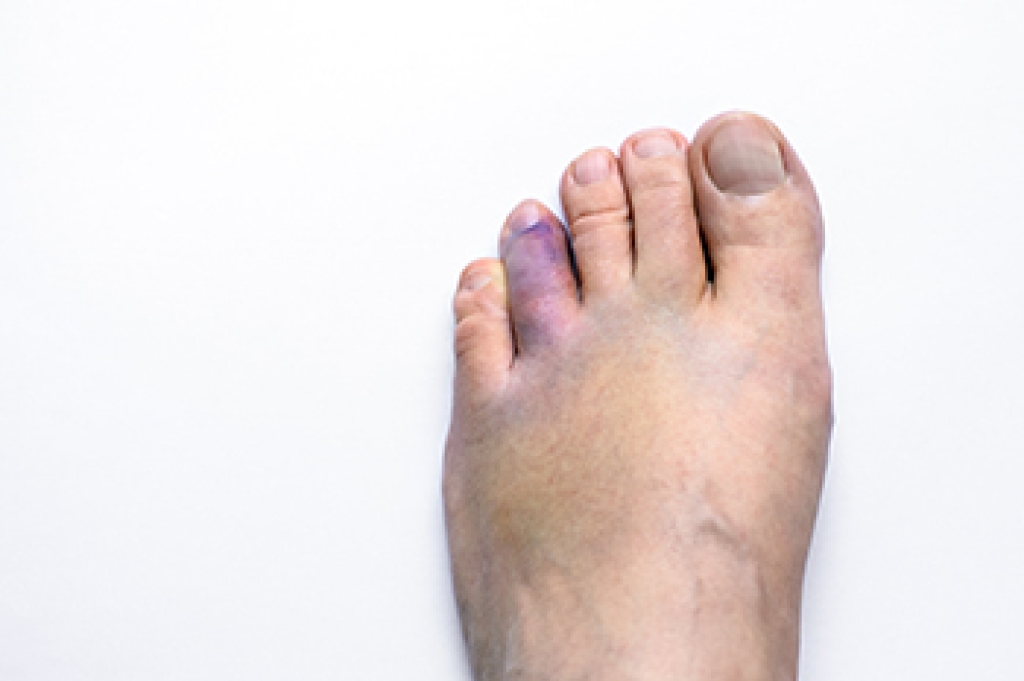
A foot stress fracture is a small crack in one of the bones of the foot caused by repeated pressure or impact over time. Common causes include overuse, repetitive high impact movements such as running or jumping, sudden changes in activity levels, or abnormal foot structure that places extra stress on certain bones. Risk factors include low levels of vitamin D and calcium, a history of previous stress fractures, and participating in sports or activities that strain the feet. Symptoms may include localized pain, swelling, tenderness, and difficulty bearing weight. A podiatrist can accurately diagnose a stress fracture using imaging, provide treatment plans to allow proper healing, recommend protective footwear or orthotics, and guide safe return to activity. If you have signs of a stress fracture, it is suggested that you consult a podiatrist for expert care and recovery guidance.

Stress fractures occur when there is a tiny crack within a bone. To learn more, contact Adriana Strimbu, DPM from Complete Foot & Ankle Care. Our doctor can provide the care you need to keep you pain free and on your feet.

How Are They Caused?

Stress fractures are the result of repetitive force being placed on the bone. Since the lower leg and feet often carry most of the body’s weight, stress fractures are likely to occur in these areas. If you rush into a new exercise, you are more likely to develop a stress fracture since you are starting too much, too soon.  Pain resulting from stress fractures may go unnoticed at first, however it may start to worsen over time.

Risk Factors

  • Gender – They are more commonly found in women compared to men.
  • Foot Problems – People with unusual arches in their feet are more likely to develop stress fractures.
  • Certain Sports – Dancers, gymnasts, tennis players, runners, and basketball players are more likely to develop stress fractures.
  • Lack of Nutrients – A lack of vitamin D and calcium may weaken the bones and make you more prone to stress fractures
  • Weak Bones – Osteoporosis can weaken the bones therefore resulting in stress fractures

Stress fractures do not always heal properly, so it is important that you seek help from a podiatrist if you suspect you may have one. Ignoring your stress fracture may cause it to worsen, and you may develop chronic pain as well as additional fractures.

If you have any questions please contact our office located in Hallandale Beach, FL . We offer the newest diagnostic and treatment technologies for all your foot and ankle needs.

Read more about Stress Fractures of the Foot and Ankle

Foot Exercises That Help Prevent Running Injuries

Strong and flexible feet help protect runners from common injuries, and simple daily exercises can make a big difference. Towel crunches strengthen the small stabilizing muscles by placing a towel on the floor and pulling it toward you with your toes. Toe yoga improves balance by lifting your big toe while keeping the others down, then lifting the smaller toes while the big toe stays grounded. A big toe press builds power by pressing the toe firmly into the floor while maintaining a steady arch. Additionally, dynamic ankle dorsiflexion improves mobility by lunging forward and guiding the knee over the toes without lifting the heel. If you have sustained a foot injury that is keeping you from running, it is suggested that you consult a podiatrist who can treat various foot conditions, and guide you on additional running prevention techniques.

Exercising your feet regularly with the proper foot wear is a great way to prevent injuries. If you have any concerns about your feet, contact Adriana Strimbu, DPM of Complete Foot & Ankle Care. Our doctor will treat your foot and ankle needs.

How to Prevent Running Injuries

Many common running injuries are caused by overuse and overtraining. When the back of the kneecap starts wearing out and starts causing pain in your knee, this is commonly referred to as runner’s knee. Runner’s knee is a decrease in strength in your quadriceps and can occur if you’re not wearing properly fitted or supporting shoes. To prevent runner’s knee, focusing on hip strengthening is a good idea, as well as strengthening your quads to keep the kneecaps aligned.

What Are Some Causes of Running Injuries? 
- One cause of a common running injury is called iliotibial band syndrome.
- Plantar fasciitis is also another common injury.
- Stress fractures can occur from overtraining, lack of calcium, or even your running style.

Best Ways to Prevent Running Injuries
- Wear footwear that fits properly and suits your running needs.
- Running shoes are the only protective gear that runners have to safeguard them from injury.
- Make a training schedule. Adding strengthening exercises as well as regular stretching can help keep you strong and limber and can lessen the possibility of injuries.
- Stretching keeps muscles limber; this will help you gain better flexibility.

If you have any questions, please feel free to contact our office located in Hallandale Beach, FL . We offer the newest diagnostic and treatment technologies for all your foot care needs.

Read more about Preventing Running Injuries

Schedule your foot and ankle podiatry appointment now!

Please feel free to call us at (954) 455-9404 with any questions you have or to schedule an appointment for your foot or ankle problems. You can also make an appointment online now by clicking here. We hope you'll find our foot doctor practice in Hallandale Beach, FL offers the accessibility and personal commitment you look for from a podiatric physician.

Our podiatry practice operates from a single location at 404 North Federal Highway, Hallandale Beach, FL 33009.

We proudly serve patients from Hallandale Beach and the surrounding areas, including Miami-Dade and Broward counties, with cities such as Hallandale Beach, Hollywood, Fort Lauderdale, Aventura, North Miami, Miami, Miami Beach, Miami Lakes, Sunny Isles BeachCoral Gables, Surfside, Bal Harbour, Plantation, Cooper City, Weston.

Connect With Us

scroll-to-top