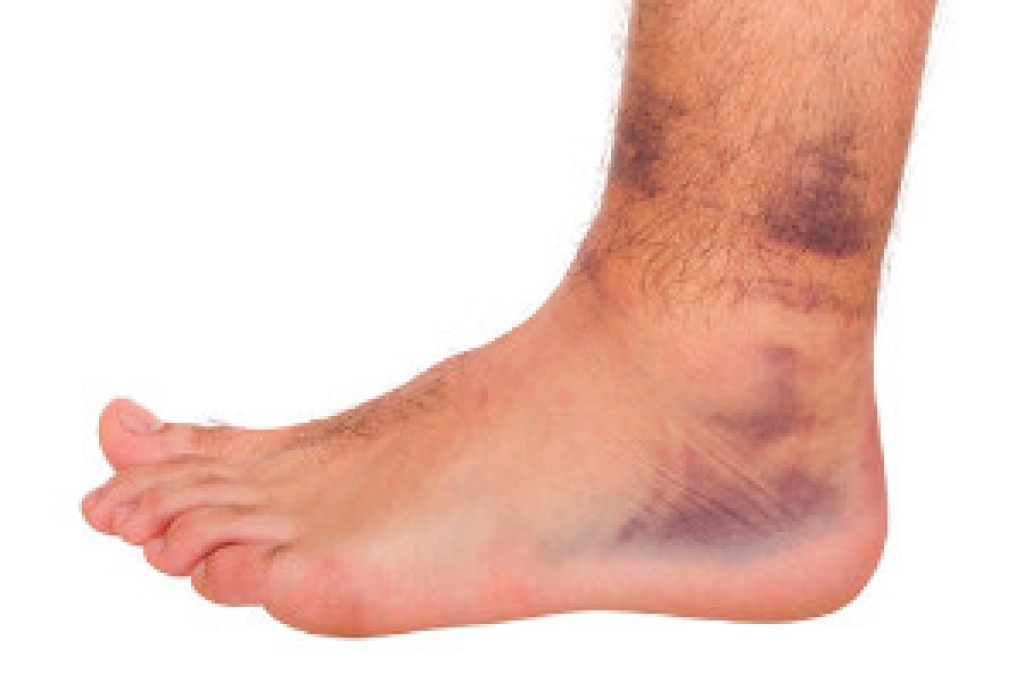
An ankle sprain happens when the ligaments supporting the ankle are stretched or torn beyond their normal range. It often occurs after a misstep, sudden direction changes, or uneven surface. The most common type is an inversion sprain, also called a lateral ankle sprain, which affects ligaments outside the ankle. Symptoms may include pain, swelling, and difficulty putting weight on the foot. Some people also notice ankle stiffness or weakness.
Several factors increase ankle sprain risk. Previous ankle injuries, poor balance, and sports involving jumping or rapid movements can make sprains more likely. Wearing poorly supportive footwear or walking on uneven ground can also contribute. An inversion injury happens when the foot rolls inward, placing stress on the outer ligaments. Less commonly, an eversion sprain affects ligaments on the inner side. Understanding the injury type helps a podiatrist determine treatment.
Ankle sprains have three grades. Grade 1 is a mild sprain involving stretched ligaments with limited swelling and little instability. Grade 2 is a moderate sprain involving a partial ligament tear, more swelling, bruising, and walking difficulty. Grade 3 is a severe sprain involving a complete ligament tear, significant swelling, marked instability, and trouble bearing weight. A podiatrist examines the ankle, checks tenderness and stability, and may order imaging tests for suspected fractures. Treatment can include rest, elevation, and bracing.
Healing begins by controlling pain and swelling while protecting the injured ligaments. A podiatrist may recommend an ankle brace or supportive footwear and guide a gradual return to activity. Follow-up visits help assess stability and recovery. If you have sprained your ankle, it is suggested that you consult a podiatrist for effective relief and treatment solutions.
Although ankle sprains are common, they aren’t always minor injuries. If you need your ankle injury looked at, contact Adriana Strimbu, DPM from Complete Foot & Ankle Care. Our doctor can provide the care you need to keep you pain-free and on your feet.
How Does an Ankle Sprain Occur?
Ankle sprains are the result of a tear in the ligaments within the ankle. These injuries may happen when you make a rapid shifting movement while your foot is planted. A less common way to sprain your ankle is when your ankle rolls inward while your foot turns outward.
What Are the Symptoms?
- Pain at the sight of the tear
- Bruising/Swelling
- Ankle area is tender to touch
- In severe cases, may hear/feel something tear
- Skin discoloration
Preventing a Sprain
- Wearing appropriate shoes for the occasion
- Stretching before exercises and sports
- Knowing your limits
Treatment of a Sprain
In many cases, the RICE method (Rest, Ice, Compression, and Elevate) is used to treat ankle sprains. However, you should see a podiatrist to see which treatment option would work best with your injury. In severe cases, surgery may be required.
It is important to ask your doctor about rehab options after you receive treatment for your injury. Stretching, strength training, and balance exercises may help the ankle heal while also preventing further injury.
If you have any questions, please feel free to contact our office located in Hallandale Beach, FL . We offer the newest diagnostic and treatment technologies for all your foot care needs.