What Is Intoeing in Children?

Intoeing in children, often referred to as being pigeon-toed, occurs when a child's feet turn inward while walking or running. This condition is commonly caused by structural issues, such as femoral anteversion, where the thigh bone twists inward, or tibial torsion, which affects the shin bone's alignment. Sometimes, intoeing is related to foot positioning in the womb. Signs can include an unusual walking pattern, where the feet point inward, and possible tripping or difficulty with certain activities. To diagnose intoeing, a podiatrist conducts a physical examination to observe the child’s gait and assess leg alignment. X-rays or other imaging tests may be used to determine the precise cause. If you notice the signs of intoeing in your child, it is strongly suggested that you contact this type of doctor who can provide treatment options.

The health of a child’s feet is vital to their overall well-being. If you have any questions regarding foot health, contact Adriana Strimbu, DPM of Complete Foot & Ankle Care. Our doctor can provide the care you need to keep you pain-free and on your feet.

Tips for Keeping Children's Feet Healthy

  • Make sure their shoes fit properly
  • Look for any signs of in-toeing or out-toeing
  • Check to see if they have Clubfoot (condition that affects your child’s foot and ankle, twisting the heel and toes inward) which is one of the most common nonmajor birth defects.
  • Lightly cover your baby’s feet (Tight covers may keep your baby from moving their feet freely, and could prevent normal development)
  • Allow your toddler to go shoeless (Shoes can be restricting for a young child’s foot)
  • Cut toenails straight across to avoid ingrown toenails
  • Keep your child’s foot clean and dry
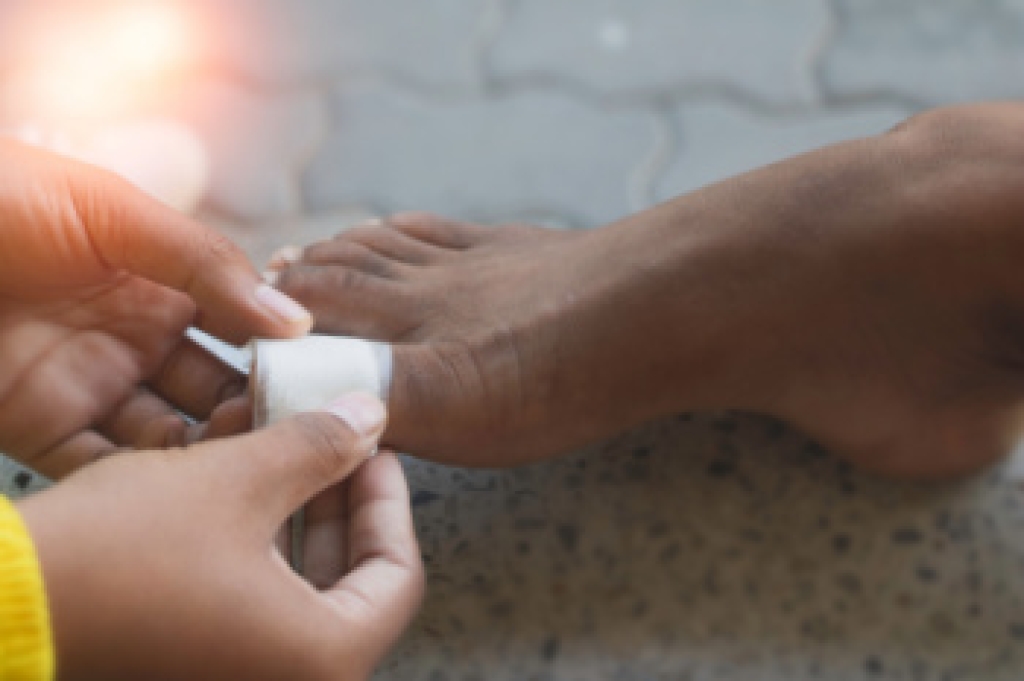
  • Cover cuts and scrapes. Wash any scratches with soap and water and cover them with a bandage until they’ve healed.

If you have any questions, please feel free to contact our office located in Hallandale Beach, FL . We offer the newest diagnostic and treatment technologies for all your foot care needs.
Read more about How to Care for Your Child's Feet

Fungal Foot Diseases

Fungal diseases of the feet, including athlete's foot, or tinea pedis, are common infections caused by dermatophytes, fungi that thrive in warm, moist environments. These infections lead to symptoms like itching, redness, peeling skin, and sometimes blisters. Athlete's foot typically affects the spaces between the toes but can spread to other areas of the foot. These infections occur due to prolonged exposure to damp conditions, such as wearing sweaty socks or walking barefoot in communal areas like locker rooms and swimming pools. Individuals at higher risk include athletes, people with weakened immune systems, and those who frequently use public showers. Relief may come from keeping feet clean and dry, using antifungal creams or powders, and wearing breathable footwear. If you have persistent athlete’s foot, it is suggested that you schedule an appointment with a podiatrist for advanced treatment solutions.

Athlete’s foot is an inconvenient condition that can be easily reduced with the proper treatment. If you have any concerns about your feet and ankles, contact Adriana Strimbu, DPM from Complete Foot & Ankle Care.  Our doctor will treat your foot and ankle needs.

Athlete’s Foot: The Sole Story

Athlete's foot, also known as tinea pedis, can be an extremely contagious foot infection. It is commonly contracted in public changing areas and bathrooms, dormitory style living quarters, around locker rooms and public swimming pools, or anywhere your feet often come into contact with other people.

Solutions to Combat Athlete’s Foot

  • Hydrate your feet by using lotion
  • Exfoliate
  • Buff off nails
  • Use of anti-fungal products
  • Examine your feet and visit your doctor if any suspicious blisters or cuts develop

Athlete’s foot can cause many irritating symptoms such as dry and flaking skin, itching, and redness. Some more severe symptoms can include bleeding and cracked skin, intense itching and burning, and even pain when walking. In the worst cases, Athlete’s foot can cause blistering as well. Speak to your podiatrist for a better understanding of the different causes of Athlete’s foot, as well as help in determining which treatment options are best for you.

If you have any questions please feel free to contact our office located in Hallandale Beach, FL . We offer the newest diagnostic and treatment technologies for all your foot and ankle needs.

Read more about Athlete's Foot

Foot Blister Care

Foot blisters are caused by friction, excessive moisture, or from wearing ill-fitting shoes. While it may be tempting to pop them, it is best to let blisters heal naturally to prevent infection. To care for blisters at home, start by cleaning the area with mild soap and water. Apply an antiseptic and cover the blister with a sterile bandage or blister pad to protect it from further irritation. Keeping the blister dry is important for faster healing. Wear moisture-wicking socks and properly fitting shoes to reduce friction. If the blister is painful, cushion it with moleskin or a soft bandage to alleviate pressure. Avoid activities that exacerbate the blister, and allow your feet to rest and recover. If blisters do not heal, recur frequently, or cause significant pain, it is suggested that you consult a podiatrist who can provide professional care and address underlying issues.

Blisters may appear as a single bubble or in a cluster. They can cause a lot of pain and may be filled with pus, blood, or watery serum. If your feet are hurting, contact Adriana Strimbu, DPM of Complete Foot & Ankle Care. Our doctor can provide the care you need to keep you pain-free and on your feet.

Foot Blisters

Foot blisters are often the result of friction. This happens due to the constant rubbing from shoes, which can lead to pain.

What Are Foot Blisters?

A foot blister is a small fluid-filled pocket that forms on the upper-most layer of the skin. Blisters are filled with clear fluid and can lead to blood drainage or pus if the area becomes infected.

Symptoms

(Blister symptoms may vary depending on what is causing them)

  • Bubble of skin filled with fluid
  • Redness
  • Moderate to severe pain
  • Itching

Prevention & Treatment

In order to prevent blisters, you should be sure to wear comfortable shoes with socks that cushion your feet and absorb sweat. Breaking a blister open may increase your chances of developing an infection. However, if your blister breaks, you should wash the area with soap and water immediately and then apply a bandage to the affected area. If your blisters cause severe pain it is important that you call your podiatrist right away.

If you have any questions, please feel free to contact our office located in Hallandale Beach, FL . We offer the newest diagnostic and treatment technologies for all your foot care needs.

Read more about Blisters on the Feet

Bunions and Other Common Foot Issues

Bunions, along with other common foot issues, can significantly impact daily life. Symptoms of bunions include a bony bump at the base of the big toe, redness, swelling, and pain, which worsens with pressure from shoes. Corns and calluses may also develop due to friction. Treatment options vary based on severity. Mild cases may benefit from changes in footwear, padding, or orthotic inserts to alleviate pressure. Stretching exercises and ice packs can help manage pain and inflammation. In more severe cases, surgical correction may be necessary to realign the toe joint and relieve discomfort. It's important to address foot issues promptly to prevent them from worsening. Visiting a podiatrist ensures an accurate diagnosis and personalized treatment plan. Whether it is bunions, corns, or any other foot concern, it is suggested that you make an appointment with a podiatrist to get professional advice and treatment.

If you are suffering from bunions, contact Adriana Strimbu, DPM of Complete Foot & Ankle Care. Our doctor can provide the care you need to keep you pain-free and on your feet.

What Is a Bunion?

A bunion is formed of swollen tissue or an enlargement of boney growth, usually located at the base joint of the toe that connects to the foot. The swelling occurs due to the bones in the big toe shifting inward, which impacts the other toes of the foot. This causes the area around the base of the big toe to become inflamed and painful.

Why Do Bunions Form?

Genetics – Susceptibility to bunions are often hereditary

Stress on the feet – Poorly fitted and uncomfortable footwear that places stress on feet, such as heels, can worsen existing bunions

How Are Bunions Diagnosed?

Doctors often perform two tests – blood tests and x-rays – when trying to diagnose bunions, especially in the early stages of development. Blood tests help determine if the foot pain is being caused by something else, such as arthritis, while x-rays provide a clear picture of your bone structure to your doctor.

How Are Bunions Treated?

  • Refrain from wearing heels or similar shoes that cause discomfort
  • Select wider shoes that can provide more comfort and reduce pain
  • Anti-inflammatory and pain management drugs
  • Orthotics or foot inserts
  • Surgery

If you have any questions, please feel free to contact our office located in Hallandale Beach, FL . We offer the newest diagnostic and treatment technologies for all your foot care needs.

Read more about Bunions

Schedule your foot and ankle podiatry appointment now!

Please feel free to call us at (954) 455-9404 with any questions you have or to schedule an appointment for your foot or ankle problems. You can also make an appointment online now by clicking here. We hope you'll find our foot doctor practice in Hallandale Beach, FL offers the accessibility and personal commitment you look for from a podiatric physician.

Our podiatry practice operates from a single location at 404 North Federal Highway, Hallandale Beach, FL 33009.

We proudly serve patients from Hallandale Beach and the surrounding areas, including Miami-Dade and Broward counties, with cities such as Hallandale Beach, Hollywood, Fort Lauderdale, Aventura, North Miami, Miami, Miami Beach, Miami Lakes, Sunny Isles BeachCoral Gables, Surfside, Bal Harbour, Plantation, Cooper City, Weston.

Connect With Us

scroll-to-top