
Plantar warts are small growths that develop on parts of the feet that bear weight. They're typically found on the bottom of the foot. Don't live with plantar warts, and call us today!
Plantar warts are small growths that develop on parts of the feet that bear weight. They're typically found on the bottom of the foot. Don't live with plantar warts, and call us today!

Falls prevention in the workplace is essential to ensure employee safety and reduce the risk of injuries. Various factors contribute to workplace falls, including medications that can cause dizziness or drowsiness, impairing balance, and coordination. Poor vision is another significant cause, as employees may not see hazards or obstacles clearly, increasing the likelihood of tripping. The physical environment also plays a vital role, and poorly designed workspaces with clutter, uneven floors, or inadequate lighting can create dangerous conditions. Slippery surfaces, particularly in kitchens, bathrooms, or areas prone to spills, are another common cause of falls. Furthermore, climbing stools or ladders to reach high places poses risks if not used properly. To prevent falls, workplaces should maintain clean and clutter-free areas, provide proper lighting, ensure employees have appropriate footwear, and train them on safe practices when using ladders or climbing stools. Falling can seriously impact the feet. If you have fallen and have sustained a foot or ankle injury, it is suggested that you promptly contact a podiatrist who can treat various foot conditions.
Preventing falls among the elderly is very important. If you are older and have fallen or fear that you are prone to falling, consult with Adriana Strimbu, DPM from Complete Foot & Ankle Care. Our doctor will assess your condition and provide you with quality advice and care.
Every 11 seconds, an elderly American is being treated in an emergency room for a fall related injury. Falls are the leading cause of head and hip injuries for those 65 and older. Due to decreases in strength, balance, senses, and lack of awareness, elderly persons are very susceptible to falling. Thankfully, there are a number of things older persons can do to prevent falls.
How to Prevent Falls
Some effective methods that older persons can do to prevent falls include:
Falling can be a traumatic and embarrassing experience for elderly persons; this can make them less willing to leave the house, and less willing to talk to someone about their fears of falling. Doing such things, however, will increase the likelihood of tripping or losing one’s balance. Knowing the causes of falling and how to prevent them is the best way to mitigate the risk of serious injury.
If you have any questions, please feel free to contact our office located in Hallandale Beach, FL . We offer the newest diagnostic and treatment technologies for all your foot care needs.
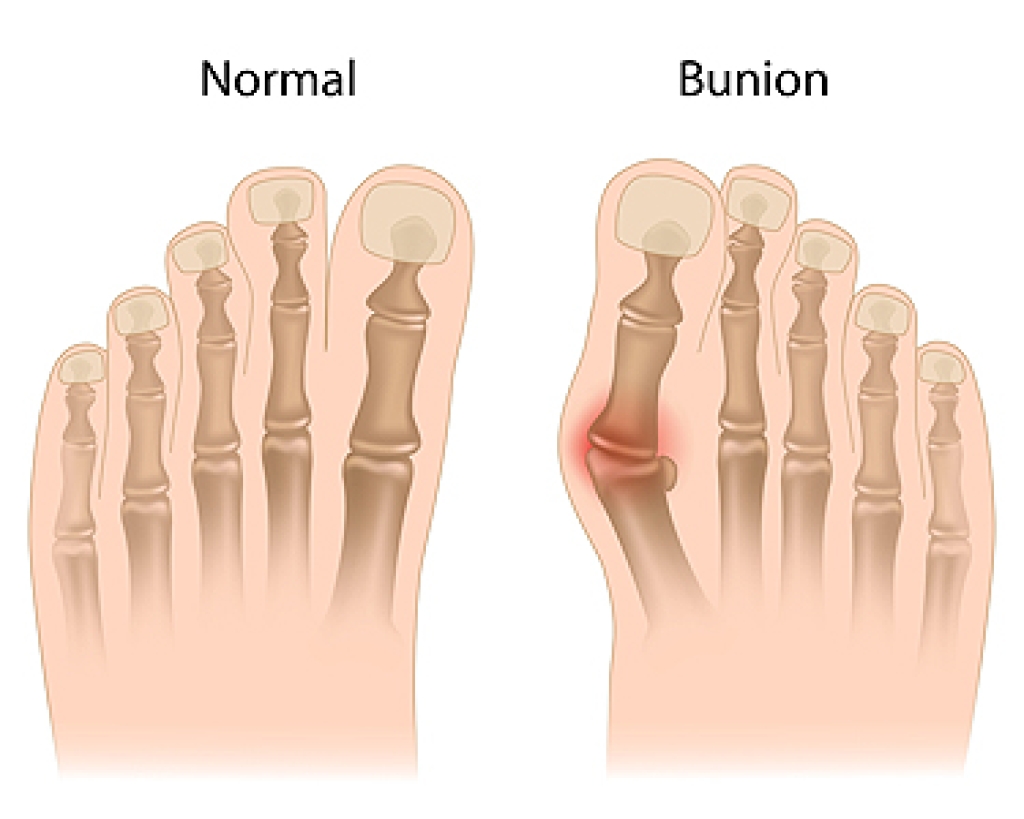
A bunion is a bony bump that forms at the base of the big toe, causing it to angle inward toward the other toes. This condition can lead to pain, swelling, and redness surrounding the joint, making it difficult to find comfortable shoes. As the bunion develops, it can cause the toes to become misaligned, leading to additional discomfort and potential problems with walking. The primary cause of bunions is often hereditary, but wearing tight, narrow shoes, especially high heels, can make the condition worse. Foot deformities, such as flat feet, can also increase the risk. A podiatrist can help diagnose and manage bunions. Conservative treatments may include custom orthotics, padding, or recommending footwear changes to reduce pressure. In more severe cases, this type of doctor may suggest surgical options to realign the joint and alleviate pain. If you have developed a bunion, it is suggested that you schedule an appointment with a podiatrist.
If you are suffering from bunions, contact Adriana Strimbu, DPM of Complete Foot & Ankle Care. Our doctor can provide the care you need to keep you pain-free and on your feet.
What Is a Bunion?
A bunion is formed of swollen tissue or an enlargement of boney growth, usually located at the base joint of the toe that connects to the foot. The swelling occurs due to the bones in the big toe shifting inward, which impacts the other toes of the foot. This causes the area around the base of the big toe to become inflamed and painful.
Why Do Bunions Form?
Genetics – Susceptibility to bunions are often hereditary
Stress on the feet – Poorly fitted and uncomfortable footwear that places stress on feet, such as heels, can worsen existing bunions
How Are Bunions Diagnosed?
Doctors often perform two tests – blood tests and x-rays – when trying to diagnose bunions, especially in the early stages of development. Blood tests help determine if the foot pain is being caused by something else, such as arthritis, while x-rays provide a clear picture of your bone structure to your doctor.
How Are Bunions Treated?
If you have any questions, please feel free to contact our office located in Hallandale Beach, FL . We offer the newest diagnostic and treatment technologies for all your foot care needs.
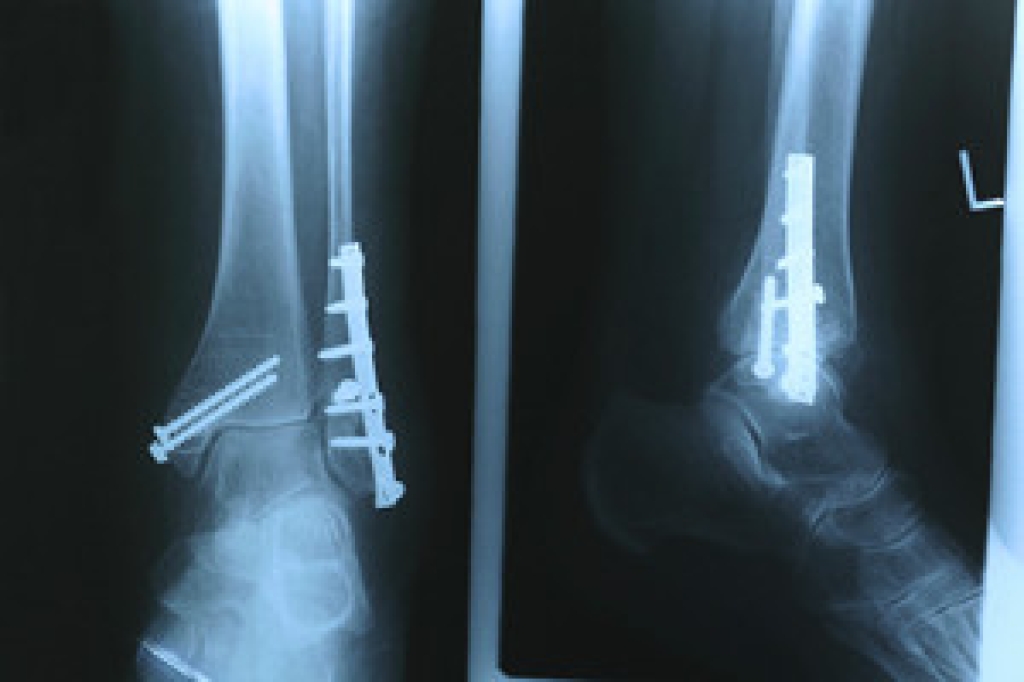
Ankle fracture surgery is performed to treat severe fractures that cannot be healed through non-surgical methods. This type of surgery is often required when bones are displaced, or the fracture is unstable, making it difficult for the ankle to heal properly. During the procedure, the surgeon realigns the broken bones and uses screws, plates, or rods to hold them in place while they heal. Ankle fracture surgery is typically followed by a period of immobilization, often involving a cast or brace to protect the ankle. Rehabilitation, which often includes specific stretches and exercises, is essential to restore strength, flexibility, and range of motion. While complications are rare, they can include infection, nerve damage, or problems with bone healing. If you have fractured your ankle, it is suggested that you consult a podiatrist who can determine what the best treatment is for you, which may include surgery.
Foot surgery is sometimes necessary to treat a foot ailment. To learn more, contact Adriana Strimbu, DPM of Complete Foot & Ankle Care. Our doctor will assist you with all of your foot and ankle needs.
When Is Surgery Necessary?
Foot and ankle surgery is generally reserved for cases in which less invasive, conservative procedures have failed to alleviate the problem. Some of the cases in which surgery may be necessary include:
What Types of Surgery Are There?
The type of surgery you receive will depend on the nature of the problem you have. Some of the possible surgeries include:
Benefits of Surgery
Although surgery is usually a last resort, it can provide more complete pain relief compared to non-surgical methods and may allow you to finally resume full activity.
Surgical techniques have also become increasingly sophisticated. Techniques like endoscopic surgery allow for smaller incisions and faster recovery times.
If you have any questions, please feel free to contact our office located in Hallandale Beach, FL . We offer the newest diagnostic and treatment technologies for all your foot care needs.
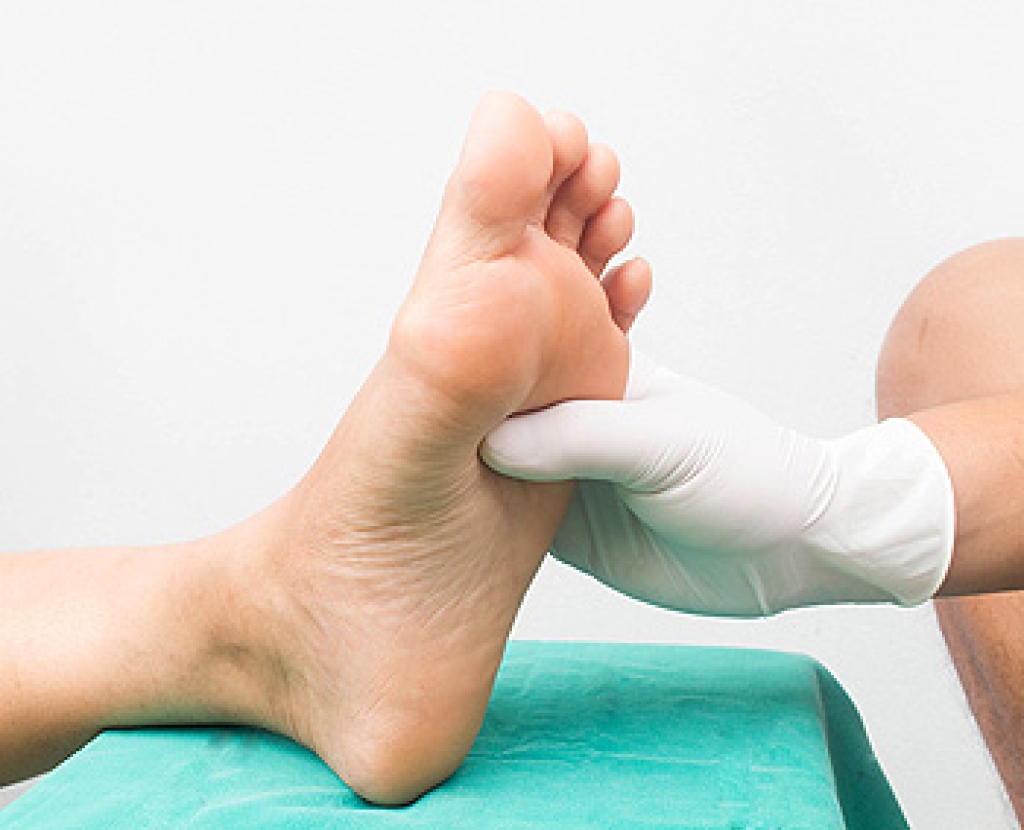
Foot care is critical for individuals with diabetes, as high blood sugar levels can lead to nerve damage and poor circulation, increasing the risk of foot problems. Regular inspection of the feet is important to detect any cuts, blisters, or infections early. It is recommended to wash the feet daily with warm water and mild soap, ensuring they are thoroughly dried, especially between the toes. Moisturizing the feet can prevent dry skin, but individuals should avoid applying lotion between the toes to prevent fungal infections. Wearing proper footwear is essential to protect the feet from injury. Shoes should be well-fitted and cushioned to avoid pressure points. It is also important to trim toenails carefully to avoid ingrown nails. If you have diabetes, it is strongly suggested that you are under the care of a podiatrist who can help manage foot health and prevent complications associated with diabetes.
Diabetic foot care is important in preventing foot ailments such as ulcers. If you are suffering from diabetes or have any other concerns about your feet, contact Adriana Strimbu, DPM from Complete Foot & Ankle Care. Our doctor can provide the care you need to keep you pain-free and on your feet.
Diabetic Foot Care
Diabetes affects millions of people every year. The condition can damage blood vessels in many parts of the body, especially the feet. Because of this, taking care of your feet is essential if you have diabetes, and having a podiatrist help monitor your foot health is highly recommended.
The Importance of Caring for Your Feet
Patients with diabetes should have their doctor monitor their blood levels, as blood sugar levels play such a huge role in diabetic care. Monitoring these levels on a regular basis is highly advised.
It is always best to inform your healthcare professional of any concerns you may have regarding your feet, especially for diabetic patients. Early treatment and routine foot examinations are keys to maintaining proper health, especially because severe complications can arise if proper treatment is not applied.
If you have any questions, please feel free to contact our office located in Hallandale Beach, FL . We offer the newest diagnostic and treatment technologies for all your foot care needs.
Please feel free to call us at (954) 455-9404 with any questions you have or to schedule an appointment for your foot or ankle problems. You can also make an appointment online now by clicking here. We hope you'll find our foot doctor practice in Hallandale Beach, FL offers the accessibility and personal commitment you look for from a podiatric physician.
Our podiatry practice operates from a single location at 404 North Federal Highway, Hallandale Beach, FL 33009.
We proudly serve patients from Hallandale Beach and the surrounding areas, including Miami-Dade and Broward counties, with cities such as Hallandale Beach, Hollywood, Fort Lauderdale, Aventura, North Miami, Miami, Miami Beach, Miami Lakes, Sunny Isles Beach, Coral Gables, Surfside, Bal Harbour, Plantation, Cooper City, Weston.
Connect With Us
