
Suffering from this type of pain? You may have the foot condition known as Morton's neuroma. Morton's neuroma may develop as a result of ill-fitting footwear and existing foot deformities. We can help.
Suffering from this type of pain? You may have the foot condition known as Morton's neuroma. Morton's neuroma may develop as a result of ill-fitting footwear and existing foot deformities. We can help.
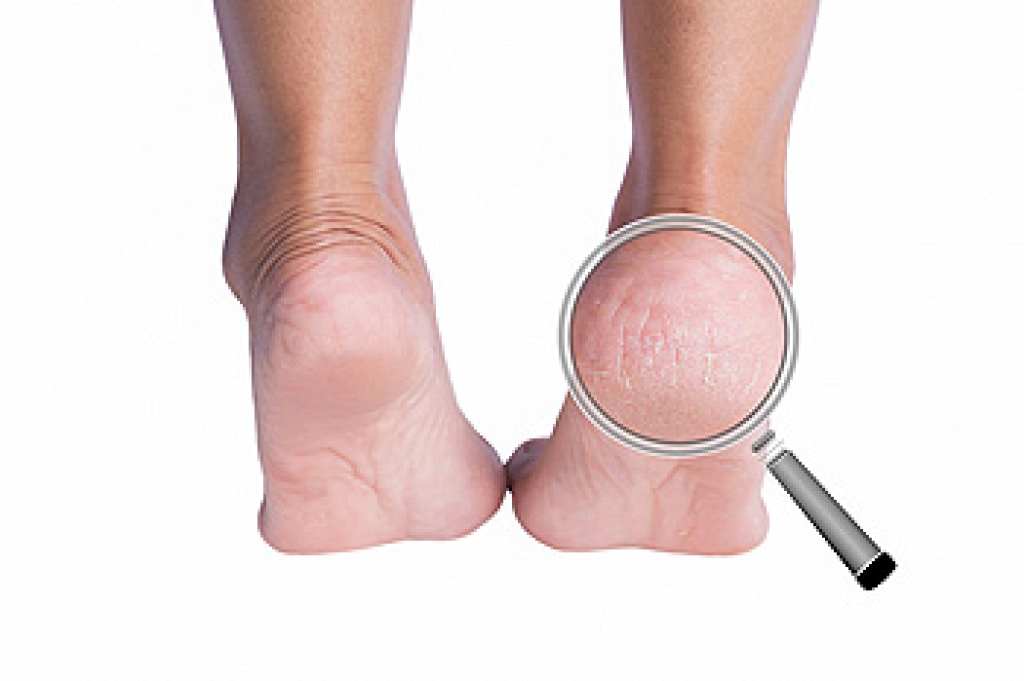
Cracked heels develop when the skin around the heel becomes dry, thick, and less flexible. Extra pressure on this skin can cause it to split, creating cracks that are also called heel fissures. Small cracks can cause mild discomfort, while deeper cracks can become painful or bleed. Symptoms include dry skin, thickened areas, and visible splits around the heel. Standing for long periods of time can place additional pressure on the heel. Wearing open-backed shoes can also contribute because they allow the heel to spread outward. Cold, dry weather and certain skin conditions can make the problem worse.
Several health conditions can contribute to dry, cracked heels. Athlete's foot can cause dry or irritated skin, while other conditions can affect the skin's ability to hold moisture. A podiatrist can examine the heels to determine the severity of the cracks and look for signs of infection. The examination can also help identify pressure patterns or another foot problem that contributes to cracking. Redness, warmth, or drainage can signal an infection and require prompt attention. Patients with diabetes should have cracked heels professionally evaluated because breaks in the skin can increase the risk of serious foot complications.
Podiatric treatment for cracked heels focuses on restoring healthier skin and protecting areas that have split. A podiatrist can carefully remove thick, hardened skin through a procedure called debridement. Treatment can also include prescription-strength creams, protective dressings, or medical skin glue for certain cracks. Shoe inserts can redistribute pressure across the heel and reduce stress on damaged skin. A podiatrist can determine which treatment is appropriate based on the depth of the cracks and the patient's overall foot health. Professional treatment is especially important when cracks are painful, bleeding, or showing signs of infection. Addressing the cause can help protect the skin and improve comfort while standing or walking. If you have racked heels, it is suggested that you schedule an appointment with a podiatrist for effective relief and treatment solutions, which may include prescribed medication.
Cracked heels are unsightly and can cause further damage to your shoes and feet. If you have any concerns, contact Adriana Strimbu, DPM from Complete Foot & Ankle Care. Our doctor can provide the care you need to keep you pain-free and on your feet.
Cracked Heels
Cracked heels appear unappealing and can make it harder for you walk around in sandals. Aside from looking unpleasant, cracked heels can also tear stockings, socks, and wear out your shoes. There are several methods to help restore a cracked heel and prevent further damage.
How Do You Get Them?
Dry skin is the number one culprit in creating cracked heels. Many athletes, walkers, joggers, and even swimmers suffer from cracked heels. Age and skin oil production play a role to getting cracked heels as well.
Promote Healing
Over the counter medicines can help, especially for those that need instant relief or who suffer from chronic dry feet.
Wear Socks – Wearing socks with medicated creams helps lock in moisture.
Moisturizers – Applying both day and night will help alleviate dryness which causes cracking.
Pumice Stones – These exfoliate and remove dead skin, which allows for smoother moisturizer application and better absorption into the skin.
Change in Diet
Eating healthy with a well-balanced diet will give the skin a fresh and radiant look. Your body responds to the kinds of food you ingest. Omega-3 fatty acids and zinc supplements can also revitalize skin tissue.
Most importantly, seek professional help if unsure how to proceed in treating cracked heels. A podiatrist will help you with any questions or information needed.
If you have any questions, please feel free to contact our office located in Hallandale Beach, FL . We offer the newest diagnostic and treatment technologies for all your foot care needs.

Plantar fasciitis can turn the first steps of the morning into a painful challenge. It occurs when the plantar fascia, a strong band of tissue along the bottom of the foot, becomes irritated and inflamed. The pain is usually felt near the heel and can be sharp when standing after rest. It may ease after a few steps but return after long periods on the feet. Running, weight gain, and abnormal foot arches can place added strain on this tissue. Tight calf muscles can also increase tension near the heel.
A podiatrist can determine whether plantar fasciitis is causing the pain or whether another heel issue is present. The visit includes a review of symptoms, a foot examination, and an assessment of how the patient stands and moves. X-rays or other imaging tests can help rule out a fracture or another source of pain. A podiatrist can recommend supportive shoes, custom orthotics, or a night splint. Orthotics can improve weight distribution and reduce strain on the plantar fascia. A night splint holds the foot in a gentle stretch while the patient sleeps. For more severe pain, a walking boot or another form of support can reduce pressure while the tissue heals.
Ignoring persistent heel pain can make standing, work, and exercise more difficult. It can also increase the chance that a patient will change the way they walk to avoid pain. That change can place extra stress on the ankle, knee, or other foot. A podiatrist can monitor progress and adjust the treatment plan if symptoms do not improve. Surgery is rarely considered and is generally reserved for severe symptoms that have not responded to other care. Patients can also receive guidance on choosing shoes that fit correctly and provide proper support. If you have heel pain, it is suggested that you schedule an appointment with a podiatrist who can accurately diagnose and treat plantar fasciitis.
Plantar fasciitis is a common foot condition that is often caused by a strain injury. If you are experiencing heel pain or symptoms of plantar fasciitis, contact Adriana Strimbu, DPM from Complete Foot & Ankle Care. Our doctor can provide the care you need to keep you pain-free and on your feet.
What Is Plantar Fasciitis?
Plantar fasciitis is one of the most common causes of heel pain. The plantar fascia is a ligament that connects your heel to the front of your foot. When this ligament becomes inflamed, plantar fasciitis is the result. If you have plantar fasciitis you will have a stabbing pain that usually occurs with your first steps in the morning. As the day progresses and you walk around more, this pain will start to disappear, but it will return after long periods of standing or sitting.
What Causes Plantar Fasciitis?
There are some risk factors that may make you more likely to develop plantar fasciitis compared to others. The condition most commonly affects adults between the ages of 40 and 60. It also tends to affect people who are obese because the extra pounds result in extra stress being placed on the plantar fascia.
Prevention
There are a variety of treatment options available for plantar fasciitis along with the pain that accompanies it. Additionally, physical therapy is a very important component in the treatment process. It is important that you meet with your podiatrist to determine which treatment option is best for you.
If you have any questions, please feel free to contact our office located in Hallandale Beach, FL . We offer the newest diagnostic and treatment technologies for all your foot care needs.
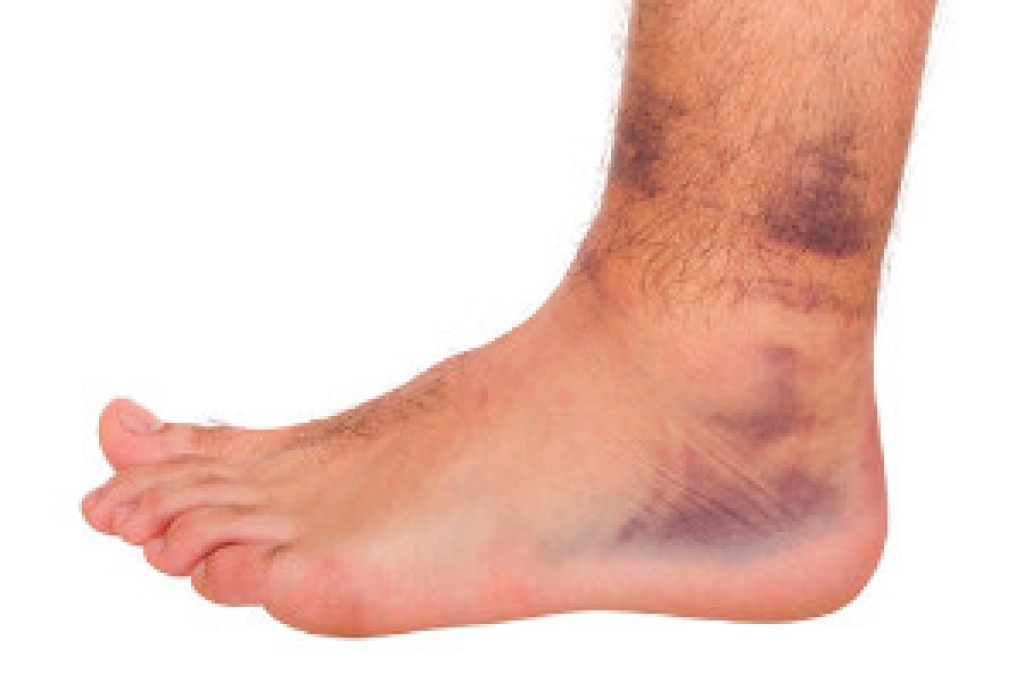
An ankle sprain happens when the ligaments supporting the ankle are stretched or torn beyond their normal range. It often occurs after a misstep, sudden direction changes, or uneven surface. The most common type is an inversion sprain, also called a lateral ankle sprain, which affects ligaments outside the ankle. Symptoms may include pain, swelling, and difficulty putting weight on the foot. Some people also notice ankle stiffness or weakness.
Several factors increase ankle sprain risk. Previous ankle injuries, poor balance, and sports involving jumping or rapid movements can make sprains more likely. Wearing poorly supportive footwear or walking on uneven ground can also contribute. An inversion injury happens when the foot rolls inward, placing stress on the outer ligaments. Less commonly, an eversion sprain affects ligaments on the inner side. Understanding the injury type helps a podiatrist determine treatment.
Ankle sprains have three grades. Grade 1 is a mild sprain involving stretched ligaments with limited swelling and little instability. Grade 2 is a moderate sprain involving a partial ligament tear, more swelling, bruising, and walking difficulty. Grade 3 is a severe sprain involving a complete ligament tear, significant swelling, marked instability, and trouble bearing weight. A podiatrist examines the ankle, checks tenderness and stability, and may order imaging tests for suspected fractures. Treatment can include rest, elevation, and bracing.
Healing begins by controlling pain and swelling while protecting the injured ligaments. A podiatrist may recommend an ankle brace or supportive footwear and guide a gradual return to activity. Follow-up visits help assess stability and recovery. If you have sprained your ankle, it is suggested that you consult a podiatrist for effective relief and treatment solutions.
Although ankle sprains are common, they aren’t always minor injuries. If you need your ankle injury looked at, contact Adriana Strimbu, DPM from Complete Foot & Ankle Care. Our doctor can provide the care you need to keep you pain-free and on your feet.
How Does an Ankle Sprain Occur?
Ankle sprains are the result of a tear in the ligaments within the ankle. These injuries may happen when you make a rapid shifting movement while your foot is planted. A less common way to sprain your ankle is when your ankle rolls inward while your foot turns outward.
What Are the Symptoms?
Preventing a Sprain
Treatment of a Sprain
In many cases, the RICE method (Rest, Ice, Compression, and Elevate) is used to treat ankle sprains. However, you should see a podiatrist to see which treatment option would work best with your injury. In severe cases, surgery may be required.
It is important to ask your doctor about rehab options after you receive treatment for your injury. Stretching, strength training, and balance exercises may help the ankle heal while also preventing further injury.
If you have any questions, please feel free to contact our office located in Hallandale Beach, FL . We offer the newest diagnostic and treatment technologies for all your foot care needs.
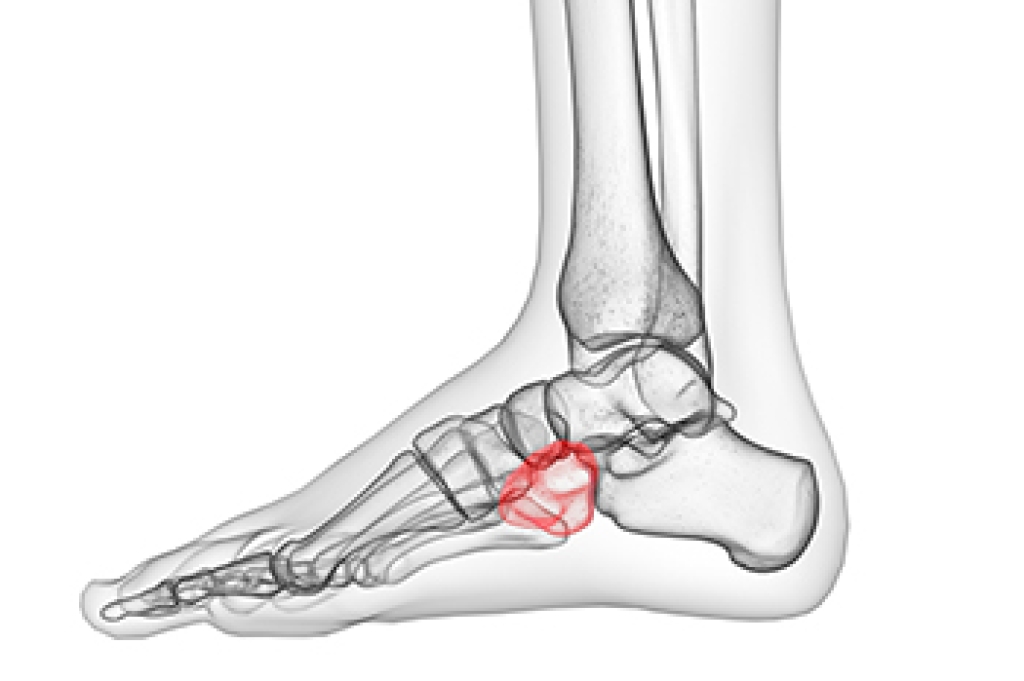
Cuboid syndrome can cause stubborn pain along the outside of the foot, especially after an injury or demanding activity. The cuboid is a small bone in the midfoot that helps connect the heel area with the front of the foot. When this bone becomes irritated or moves out of its normal position, discomfort can develop. People may notice tenderness, aching, or pain while placing weight on the foot.
One common cause is an ankle sprain. The force from an injury can affect the position of the cuboid and surrounding tissues. Repetitive stress can also contribute, particularly during running, jumping, or sports that require frequent changes in direction. Risk factors include ankle instability, sudden increases in exercise, and wearing shoes that do not provide enough support. Flat feet or high arches may also change pressure across the outer midfoot.
During an evaluation, a podiatrist will ask about the injury or activity that preceded the symptoms. The foot will be examined for tenderness, swelling, and changes in alignment. X-rays or other imaging may be used when a fracture or another problem needs to be excluded. Treatment may include rest from aggravating activities, padding, or taping. In some cases, the podiatrist may perform a careful cuboid manipulation to restore normal positioning.
Cuboid syndrome usually affects the outer portion of the midfoot, near the cuboid bone between the heel and smaller toes. The discomfort may feel like a deep ache or a sharp pain during forceful push-off movements. Some people notice symptoms more strongly while walking on an uneven surface or standing for long periods. Since foot pain can have several causes, it is important to obtain an accurate diagnosis. If symptoms of cuboid syndrome continue, it is suggested that you consult a podiatrist for an accurate diagnosis and appropriate treatment.
Cuboid syndrome, also known as cuboid subluxation, occurs when the joints and ligaments near the cuboid bone in the foot become torn. If you have cuboid syndrome, consult with Adriana Strimbu, DPM from Complete Foot & Ankle Care. Our doctor will assess your condition and provide you with quality foot and ankle treatment.
Cuboid syndrome is a common cause of lateral foot pain, which is pain on the outside of the foot. The condition may happen suddenly due to an ankle sprain, or it may develop slowly overtime from repetitive tension through the bone and surrounding structures.
Causes
The most common causes of cuboid syndrome include:
Symptoms
A common symptom of cuboid syndrome is pain along the outside of the foot which can be felt in the ankle and toes. This pain may create walking difficulties and may cause those with the condition to walk with a limp.
Diagnosis
Diagnosis of cuboid syndrome is often difficult, and it is often misdiagnosed. X-rays, MRIs and CT scans often fail to properly show the cuboid subluxation. Although there isn’t a specific test used to diagnose cuboid syndrome, your podiatrist will usually check if pain is felt while pressing firmly on the cuboid bone of your foot.
Treatment
Just as the range of causes varies widely, so do treatments. Some more common treatments are ice therapy, rest, exercise, taping, and orthotics.
If you have any questions, please feel free to contact our office located in Hallandale Beach, FL . We offer the newest diagnostic and treatment technologies for all your foot care needs.
Please feel free to call us at (954) 455-9404 with any questions you have or to schedule an appointment for your foot or ankle problems. You can also make an appointment online now by clicking here. We hope you'll find our foot doctor practice in Hallandale Beach, FL offers the accessibility and personal commitment you look for from a podiatric physician.
Our podiatry practice operates from a single location at 404 North Federal Highway, Hallandale Beach, FL 33009.
We proudly serve patients from Hallandale Beach and the surrounding areas, including Miami-Dade and Broward counties, with cities such as Hallandale Beach, Hollywood, Fort Lauderdale, Aventura, North Miami, Miami, Miami Beach, Miami Lakes, Sunny Isles Beach, Coral Gables, Surfside, Bal Harbour, Plantation, Cooper City, Weston.
Connect With Us
