
Common Causes of Painful Foot Cramps

Foot cramps are sudden, painful muscle contractions that can affect the toes or arches. A cramp may cause muscles to tighten without warning, making movement difficult. Foot cramps can last seconds or several minutes. Occasional cramps may be harmless, but frequent episodes can interfere with walking, exercise, and sleep. Understanding causes can help reduce triggers and protect your feet.

Dehydration is a common cause of foot cramps because fluid loss can affect muscle function. Physical activity may also trigger cramping when muscles become tired or are used more than usual. Wearing wrong footwear can place unusual pressure on the feet and contribute to muscle fatigue. Additionally, pregnancy can increase the likelihood of cramps because the body undergoes physical changes and carries additional weight. Risk factors may include prolonged standing and muscle strain. Paying attention to patterns can help identify triggers.


Symptoms usually include sudden tightening, sharp pain, and temporary difficulty moving the affected foot. A podiatrist can evaluate recurring foot cramps by reviewing your symptoms, activity level, and health history. The examination may assess muscle function, foot structure, and flexibility. A podiatrist may recommend hydration, stretching, or changes to activity. Treatment focuses on the underlying cause and may include physical therapy or orthotics when appropriate. Follow-up care can help determine whether symptoms improve.


You can help reduce foot cramps by drinking enough fluids, choosing properly-fitted shoes, and increasing physical activity. Gentle stretching may help prepare the muscles. If cramps occur frequently, become severe, or continue despite changes, a podiatric evaluation is important. A podiatrist can determine whether another foot problem or health condition contributes to your symptoms. If you have foot cramps, it is suggested that you consult a podiatrist for effective relief and prevention solutions.

Foot Pain

Foot pain can be extremely painful and debilitating. If you have a foot pain, consult with Adriana Strimbu, DPM from Complete Foot & Ankle Care. Our doctor will assess your condition and provide you with quality foot and ankle treatment.

Causes

Foot pain is a very broad condition that could be caused by one or more ailments. The most common include:

  • Bunions
  • Hammertoes
  • Plantar Fasciitis
  • Bone Spurs
  • Corns
  • Tarsal Tunnel Syndrome
  • Ingrown Toenails
  • Arthritis (such as Gout, Rheumatoid, and Osteoarthritis)
  • Flat Feet
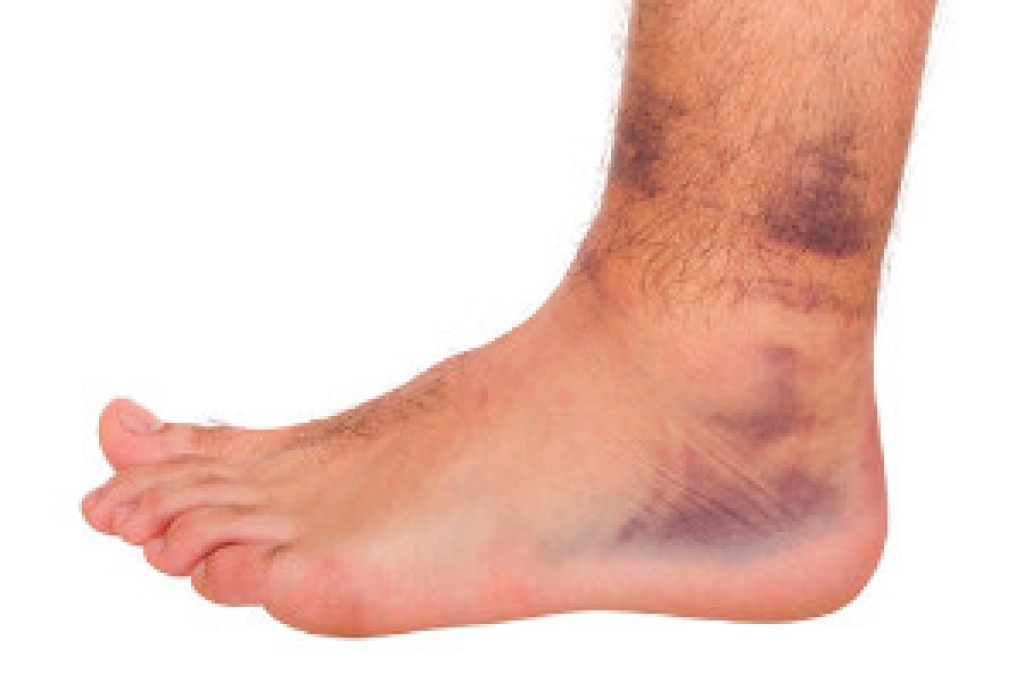
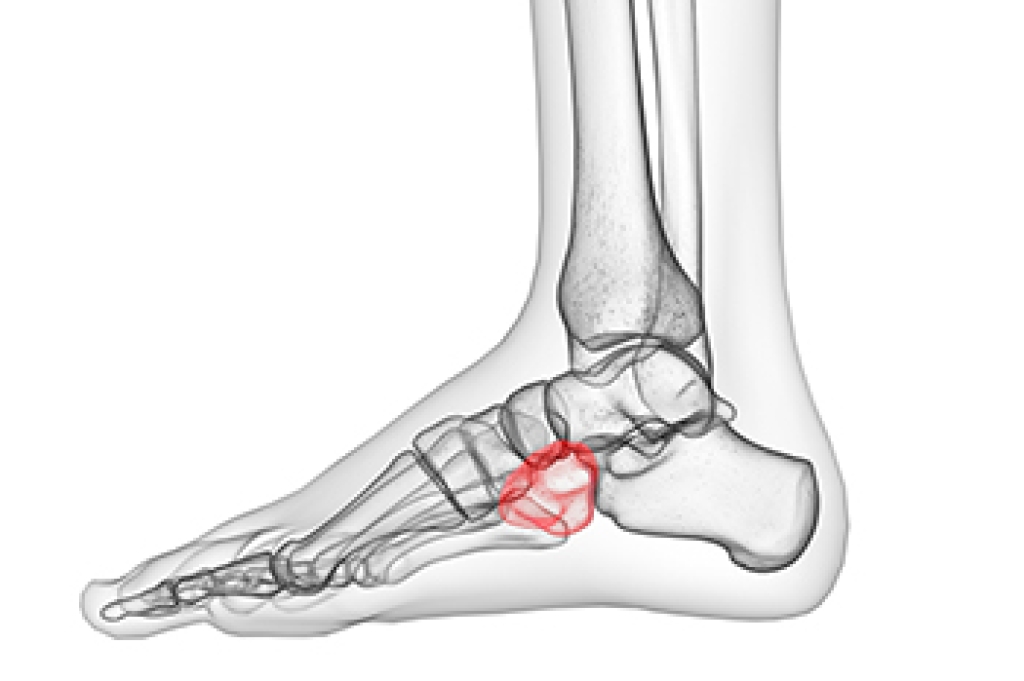
  • Injury (from stress fractures, broken toe, foot, ankle, Achilles tendon ruptures, and sprains)
  • And more

Diagnosis

To figure out the cause of foot pain, podiatrists utilize several different methods. This can range from simple visual inspections and sensation tests to X-rays and MRI scans. Prior medical history, family medical history, and any recent physical traumatic events will all be taken into consideration for a proper diagnosis.

Treatment

Treatment depends upon the cause of the foot pain. Whether it is resting, staying off the foot, or having surgery; podiatrists have a number of treatment options available for foot pain.

If you have any questions, please feel free to contact our office located in Hallandale Beach, FL . We offer the newest diagnostic and treatment technologies for all your foot care needs.
Read more about Foot Pain

Broken Toes and Treatment Options

A broken toe can make even simple daily activities uncomfortable because every step places pressure on the injured bone. A toe fracture occurs when one or more of the small bones in a toe break after a direct impact or twisting injury. People frequently injure a toe by stubbing it against a hard object or dropping something heavy on the foot. Pain usually begins immediately and can become worse while walking or standing. Swelling and bruising are also common. Some patients notice that the injured toe appears crooked or is difficult to move. A podiatrist can examine the foot, determine the severity of the injury, and identify whether another condition is causing similar symptoms.

Broken toes vary in severity, and proper diagnosis is important for successful healing. Some fractures remain in normal alignment, while others shift out of position. A displaced fracture means the broken pieces of bone no longer line up correctly. This type of injury can affect the way the toe functions and sometimes changes the way a person walks. A podiatrist performs a thorough examination and usually recommends X-rays to confirm the fracture and determine its exact location. The evaluation also helps to identify injuries to nearby joints, ligaments, or other bones in the foot that can develop at the same time.

Treatment depends on the location of the fracture and whether the bone remains properly aligned. A podiatrist can monitor healing with follow-up examinations and recommend treatment based on the specific injury. Some fractures require realignment to place the bones in their proper position. More severe injuries sometimes require surgery to restore stability and improve healing. Patients also benefit from guidance about wearing shoes that provide proper support while recovering from the injury. Early diagnosis and podiatric care can improve comfort, protect foot function, and reduce the chance of long-term complications. If you have broken a toe, it is suggested that you schedule an appointment with a podiatrist for appropriate treatment and management solutions.

A broken toe can be very painful and lead to complications if not properly fixed. If you have any concerns about your feet, contact Adriana Strimbu, DPM from Complete Foot & Ankle Care. Our doctor will treat your foot and ankle needs.

What to Know About a Broken Toe

Although most people try to avoid foot trauma such as banging, stubbing, or dropping heavy objects on their feet, the unfortunate fact is that it is a common occurrence. Given the fact that toes are positioned in front of the feet, they typically sustain the brunt of such trauma. When trauma occurs to a toe, the result can be a painful break (fracture).

Symptoms of a Broken Toe

  • Throbbing pain
  • Swelling
  • Bruising on the skin and toenail
  • The inability to move the toe
  • Toe appears crooked or disfigured
  • Tingling or numbness in the toe

Generally, it is best to stay off of the injured toe with the affected foot elevated.

Severe toe fractures may be treated with a splint, cast, and in some cases, minor surgery. Due to its position and the pressure it endures with daily activity, future complications can occur if the big toe is not properly treated.

If you have any questions, please feel free to contact our office located in Hallandale Beach, FL . We offer the newest diagnostic and treatment technologies for all your foot care needs.

Read more about What to Know About a Broken Toe

Bunions and Modern Surgical Treatments

Bunions are characterized by a misaligned joint at the base of the big toe. This creates a noticeable bump and can interfere with normal foot function. Symptoms often include a sharp or aching pain, swelling, and irritation caused by friction against footwear. The big toe may angle inward, leading to crowding of the surrounding toes and increased discomfort during walking or standing.

Risk factors for bunions include inherited foot shape, improper footwear, and repetitive stress on the feet. Wearing high-heeled or narrow shoes can force the toes into an unnatural position, increasing joint pressure. Conditions such as rheumatoid arthritis and flat feet may also contribute to bunion formation. Poor posture and long periods of standing during the workday can worsen symptoms and accelerate joint changes, especially without proper support.


Bunion surgery is considered when pain limits daily activities or conservative care is no longer effective. The goal of surgery is to correct the deformity and restore alignment near the big toe. There are various types of bunion surgery. Osteotomy is a common method that involves cutting and repositioning the bone for improved alignment. Exostectomy removes the enlarged portion of bone to reduce pressure. Arthrodesis permanently fuses the joint, providing stability in cases of severe damage or arthritis. Each method is selected based on individual needs and severity.


Recognizing symptoms and seeking timely care can improve long-term outcomes and restore comfort. Surgical options continue to advance, offering more precise correction and recovery support. If you have a painful bunion, it is strongly suggested that you consult a podiatrist to explore the most effective treatment approach for your condition, which may include surgery.

Foot surgery is sometimes necessary to treat a foot ailment. To learn more, contact Adriana Strimbu, DPM of Complete Foot & Ankle Care. Our doctor will assist you with all of your foot and ankle needs.

When Is Surgery Necessary?

Foot and ankle surgery is generally reserved for cases in which less invasive, conservative procedures have failed to alleviate the problem. Some of the cases in which surgery may be necessary include:

  • Removing foot deformities like bunions and bone spurs
  • Severe arthritis that has caused bone issues
  • Cosmetic reconstruction

What Types of Surgery Are There?

The type of surgery you receive will depend on the nature of the problem you have. Some of the possible surgeries include:

  • Bunionectomy for painful bunions
  • Surgical fusion for realignment of bones
  • Neuropathy decompression surgery to treat nerve damage

Benefits of Surgery

Although surgery is usually a last resort, it can provide more complete pain relief compared to non-surgical methods and may allow you to finally resume full activity.

Surgical techniques have also become increasingly sophisticated. Techniques like endoscopic surgery allow for smaller incisions and faster recovery times.

If you have any questions, please feel free to contact our office located in Hallandale Beach, FL . We offer the newest diagnostic and treatment technologies for all your foot care needs.

Read more about Foot and Ankle Surgery

When Plantar Fasciitis Surgery Becomes an Option

Plantar fasciitis develops when tissue along the bottom of the foot becomes irritated or damaged. This strong band connects the heel to the front of the foot and supports the arch. The resulting pain can make standing, running, or walking difficult. A podiatrist can examine the foot, review the patient’s health history, and diagnose the problem. In most cases, treatment from a podiatrist can help to reduce strain and improve foot function. However, surgery is an option when heel pain remains severe after months of professional care and limits activities.

The surgery is called a plantar fasciotomy, also known as a plantar fascia release. The podiatric surgeon detaches part of the fascia from the heel bone, which reduces built-up tension in the damaged tissue. Endoscopic surgery uses tiny cuts and a small camera to guide the surgeon. The choice depends on the patient’s health, symptoms, and the surgeon’s recommendation. Both approaches are outpatient procedures, so patients can return home the same day. Risks include infection, nerve injury, and continued heel pain. A podiatrist can explain the benefits and risks.

Recovery follows a plan created by the surgeon and podiatrist. Patients must protect the incision and follow instructions about placing weight on the foot. Many people can bear weight within two to three weeks, although timing depends on the procedure and wound healing. Full recovery takes about two months. Follow-up visits allow the podiatrist to check healing, evaluate foot movement, and address swelling or tenderness. Patients should call the medical office if they notice increasing pain, drainage, or fever. Gradual improvement is expected, but discomfort can remain as the tissue heals. The care team will explain when it is safe to return to work, exercise, and wear normal shoes. If you have severe heel pain, it is suggested that you schedule an appointment with a podiatrist who can discuss the benefits of this type of foot surgery with you.

Plantar fasciitis can be very painful and inconvenient. If you are experiencing heel pain or symptoms of plantar fasciitis, contact Adriana Strimbu, DPM  from Complete Foot & Ankle Care. Our doctor can provide the care you need to keep you pain-free and on your feet.

What Is Plantar Fasciitis?

Plantar fasciitis is the inflammation of the thick band of tissue that runs along the bottom of your foot, known as the plantar fascia, and causes mild to severe heel pain.

What Causes Plantar Fasciitis?

  • Excessive running
  • Non-supportive shoes
  • Overpronation
  • Repeated stretching and tearing of the plantar fascia

How Can It Be Treated?

  • Conservative measures – anti-inflammatories, ice packs, stretching exercises, physical therapy, orthotic devices
  • Shockwave therapy – sound waves are sent to the affected area to facilitate healing and are usually used for chronic cases of plantar fasciitis
  • Surgery – usually only used as a last resort when all else fails. The plantar fascia can be surgically detached from the heel

While very treatable, plantar fasciitis is definitely not something that should be ignored. Especially in severe cases, speaking to your doctor right away is highly recommended to avoid complications and severe heel pain. Your podiatrist can work with you to provide the appropriate treatment options tailored to your condition.

If you have any questions, please feel free to contact our office located in Hallandale Beach, FL . We offer the newest diagnostic and treatment technologies for all your foot care needs.

Read more about Plantar Fasciitis

Plantar Warts Can Be Treated!

Plantar warts are small growths that develop on parts of the feet that bear weight. They're typically found on the bottom of the foot. Don't live with plantar warts, and call us today!

Schedule your foot and ankle podiatry appointment now!

Please feel free to call us at (954) 455-9404 with any questions you have or to schedule an appointment for your foot or ankle problems. You can also make an appointment online now by clicking here. We hope you'll find our foot doctor practice in Hallandale Beach, FL offers the accessibility and personal commitment you look for from a podiatric physician.

Our podiatry practice operates from a single location at 404 North Federal Highway, Hallandale Beach, FL 33009.

We proudly serve patients from Hallandale Beach and the surrounding areas, including Miami-Dade and Broward counties, with cities such as Hallandale Beach, Hollywood, Fort Lauderdale, Aventura, North Miami, Miami, Miami Beach, Miami Lakes, Sunny Isles BeachCoral Gables, Surfside, Bal Harbour, Plantation, Cooper City, Weston.

Connect With Us

scroll-to-top