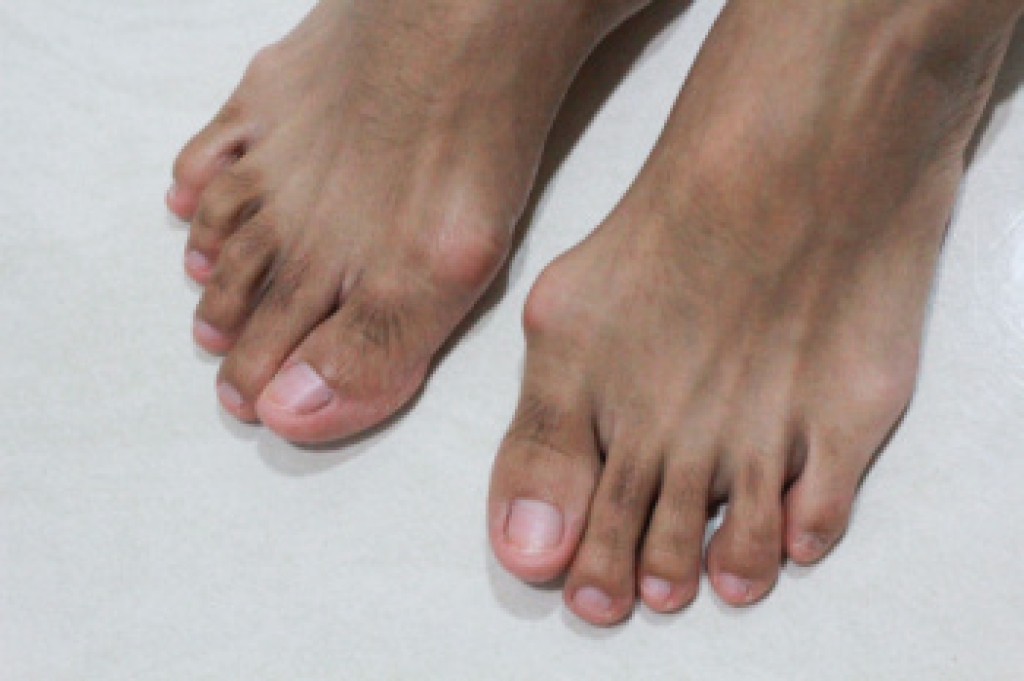
What Cuboid Syndrome Feels Like During Everyday Movement

Cuboid syndrome can cause stubborn pain along the outside of the foot, especially after an injury or demanding activity. The cuboid is a small bone in the midfoot that helps connect the heel area with the front of the foot. When this bone becomes irritated or moves out of its normal position, discomfort can develop. People may notice tenderness, aching, or pain while placing weight on the foot.

One common cause is an ankle sprain. The force from an injury can affect the position of the cuboid and surrounding tissues. Repetitive stress can also contribute, particularly during running, jumping, or sports that require frequent changes in direction. Risk factors include ankle instability, sudden increases in exercise, and wearing shoes that do not provide enough support. Flat feet or high arches may also change pressure across the outer midfoot.


During an evaluation, a podiatrist will ask about the injury or activity that preceded the symptoms. The foot will be examined for tenderness, swelling, and changes in alignment. X-rays or other imaging may be used when a fracture or another problem needs to be excluded. Treatment may include rest from aggravating activities, padding, or taping. In some cases, the podiatrist may perform a careful cuboid manipulation to restore normal positioning.


Cuboid syndrome usually affects the outer portion of the midfoot, near the cuboid bone between the heel and smaller toes. The discomfort may feel like a deep ache or a sharp pain during forceful push-off movements. Some people notice symptoms more strongly while walking on an uneven surface or standing for long periods. Since foot pain can have several causes, it is important to obtain an accurate diagnosis. If symptoms of cuboid syndrome continue, it is suggested that you consult a podiatrist for an accurate diagnosis and appropriate treatment.

Cuboid syndrome, also known as cuboid subluxation, occurs when the joints and ligaments near the cuboid bone in the foot become torn. If you have cuboid syndrome, consult with Adriana Strimbu, DPM from Complete Foot & Ankle Care. Our doctor will assess your condition and provide you with quality foot and ankle treatment.

Cuboid syndrome is a common cause of lateral foot pain, which is pain on the outside of the foot. The condition may happen suddenly due to an ankle sprain, or it may develop slowly overtime from repetitive tension through the bone and surrounding structures.

Causes

The most common causes of cuboid syndrome include:

  • Injury – The most common cause of this ailment is an ankle sprain.
  • Repetitive Strain – Tension placed through the peroneus longus muscle from repetitive activities such as jumping and running may cause excessive traction on the bone causing it to sublux.
  • Altered Foot Biomechanics – Most people suffering from cuboid subluxation have flat feet.

Symptoms

A common symptom of cuboid syndrome is pain along the outside of the foot which can be felt in the ankle and toes. This pain may create walking difficulties and may cause those with the condition to walk with a limp.

Diagnosis

Diagnosis of cuboid syndrome is often difficult, and it is often misdiagnosed. X-rays, MRIs and CT scans often fail to properly show the cuboid subluxation. Although there isn’t a specific test used to diagnose cuboid syndrome, your podiatrist will usually check if pain is felt while pressing firmly on the cuboid bone of your foot.

Treatment

Just as the range of causes varies widely, so do treatments. Some more common treatments are ice therapy, rest, exercise, taping, and orthotics.

If you have any questions, please feel free to contact our office located in Hallandale Beach, FL . We offer the newest diagnostic and treatment technologies for all your foot care needs.

Read more about Cuboid Syndrome

Understanding Foot and Ankle Trauma

Foot and ankle trauma can range from sprains to serious fractures that affect a person’s ability to stand and walk comfortably. The ankle is the most frequently injured major weight-bearing joint in the body, and lateral ankle sprains are especially common. Foot and ankle fractures also make up a notable portion of bone injuries. Trauma can occur during sports or motor vehicle accidents, while certain bone conditions may make fractures more likely. Because the feet and ankles support body weight during movement, injuries in these areas can interfere with mobility and everyday activities. Early recognition is important because missed or delayed diagnoses may increase the risk of complications.


Some foot and ankle injuries can be difficult to recognize during an initial evaluation. Lisfranc injuries affect the middle of the foot, ranging from lower-energy sprains to more serious fracture-dislocations. They can occur from twisting movements or direct forces during significant trauma. Some Lisfranc injuries are not immediately visible on standard X-rays, making further evaluation important when symptoms continue. Midfoot trauma may also involve ligament damage or fractures in surrounding bones. More severe ankle trauma can involve fractures that affect joint stability and may require detailed imaging to determine the extent of the injury.


A podiatrist can evaluate foot and ankle trauma by examining the injured area and determining how the damage has affected movement and stability. Imaging may be used to identify fractures or injuries involving joints and ligaments. A podiatrist can recommend treatment based on the location and severity of the injury. This foot doctor can also determine whether additional medical care or surgery is necessary. Prompt professional evaluation can be especially important after significant trauma or when walking becomes difficult. If foot or ankle pain develops after an injury or continues to limit your mobility, it is suggested that you consult a podiatrist for an evaluation and appropriate treatment options.

Foot and ankle trauma is common among athletes and the elderly. If you have concerns that you may have experienced trauma to the foot and ankle, consult with Adriana Strimbu, DPM from Complete Foot & Ankle Care. Our doctor will assess your condition and provide you with quality foot and ankle treatment.

Foot and ankle trauma cover a range of injuries all over the foot; common injuries include:

  • Broken bones
  • Muscle strains
  • Injuries to the tendons and ligaments
  • Stress fractures

Symptoms

Symptoms of foot and ankle injuries vary depending on the injury, but more common ones include:

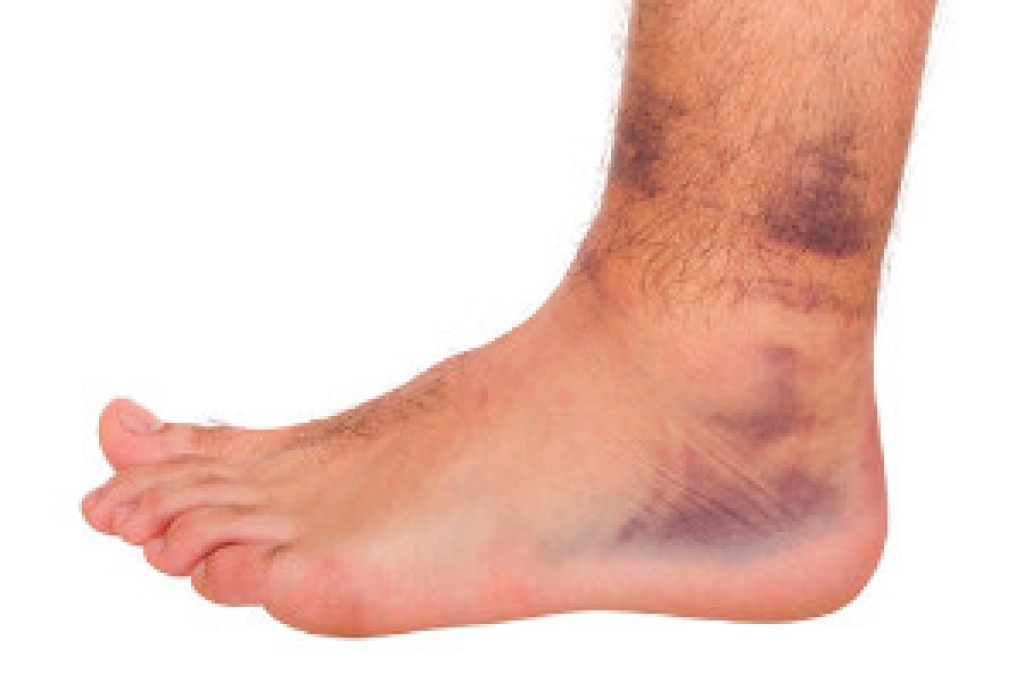
  • Bruising
  • Inflammation/ Swelling
  • Pain

Diagnosis

To properly diagnose the exact type of injury, podiatrists will conduct a number of different tests. Some of these include sensation and visual tests, X-rays, and MRIs. Medical and family histories will also be taken into account.

Treatment

Once the injury has been diagnosed, the podiatrist can than offer the best treatment options for you. In less severe cases, rest and keeping pressure off the foot may be all that’s necessary. Orthotics, such as a specially made shoes, or immobilization devices, like splints or casts, may be deemed necessary. Finally, if the injury is severe enough, surgery may be necessary.

If you have any questions, please feel free to contact our office located in Hallandale Beach, FL . We offer the newest diagnostic and treatment technologies for all your foot care needs.

Read more about Foot and Ankle Trauma

Gout Pain Can Be Managed

Gout is a painful, inflammatory form of arthritis. Those affected will typically feel an intense stiffness in the joints of their feet, particularly in the big toe. Schedule a visit to learn about how gout can be managed and treated.

Common Causes of Painful Foot Cramps

Foot cramps are sudden, painful muscle contractions that can affect the toes or arches. A cramp may cause muscles to tighten without warning, making movement difficult. Foot cramps can last seconds or several minutes. Occasional cramps may be harmless, but frequent episodes can interfere with walking, exercise, and sleep. Understanding causes can help reduce triggers and protect your feet.

Dehydration is a common cause of foot cramps because fluid loss can affect muscle function. Physical activity may also trigger cramping when muscles become tired or are used more than usual. Wearing wrong footwear can place unusual pressure on the feet and contribute to muscle fatigue. Additionally, pregnancy can increase the likelihood of cramps because the body undergoes physical changes and carries additional weight. Risk factors may include prolonged standing and muscle strain. Paying attention to patterns can help identify triggers.


Symptoms usually include sudden tightening, sharp pain, and temporary difficulty moving the affected foot. A podiatrist can evaluate recurring foot cramps by reviewing your symptoms, activity level, and health history. The examination may assess muscle function, foot structure, and flexibility. A podiatrist may recommend hydration, stretching, or changes to activity. Treatment focuses on the underlying cause and may include physical therapy or orthotics when appropriate. Follow-up care can help determine whether symptoms improve.


You can help reduce foot cramps by drinking enough fluids, choosing properly-fitted shoes, and increasing physical activity. Gentle stretching may help prepare the muscles. If cramps occur frequently, become severe, or continue despite changes, a podiatric evaluation is important. A podiatrist can determine whether another foot problem or health condition contributes to your symptoms. If you have foot cramps, it is suggested that you consult a podiatrist for effective relief and prevention solutions.

Foot Pain

Foot pain can be extremely painful and debilitating. If you have a foot pain, consult with Adriana Strimbu, DPM from Complete Foot & Ankle Care. Our doctor will assess your condition and provide you with quality foot and ankle treatment.

Causes

Foot pain is a very broad condition that could be caused by one or more ailments. The most common include:

  • Bunions
  • Hammertoes
  • Plantar Fasciitis
  • Bone Spurs
  • Corns
  • Tarsal Tunnel Syndrome
  • Ingrown Toenails
  • Arthritis (such as Gout, Rheumatoid, and Osteoarthritis)
  • Flat Feet
  • Injury (from stress fractures, broken toe, foot, ankle, Achilles tendon ruptures, and sprains)
  • And more

Diagnosis

To figure out the cause of foot pain, podiatrists utilize several different methods. This can range from simple visual inspections and sensation tests to X-rays and MRI scans. Prior medical history, family medical history, and any recent physical traumatic events will all be taken into consideration for a proper diagnosis.

Treatment

Treatment depends upon the cause of the foot pain. Whether it is resting, staying off the foot, or having surgery; podiatrists have a number of treatment options available for foot pain.

If you have any questions, please feel free to contact our office located in Hallandale Beach, FL . We offer the newest diagnostic and treatment technologies for all your foot care needs.
Read more about Foot Pain

Broken Toes and Treatment Options

A broken toe can make even simple daily activities uncomfortable because every step places pressure on the injured bone. A toe fracture occurs when one or more of the small bones in a toe break after a direct impact or twisting injury. People frequently injure a toe by stubbing it against a hard object or dropping something heavy on the foot. Pain usually begins immediately and can become worse while walking or standing. Swelling and bruising are also common. Some patients notice that the injured toe appears crooked or is difficult to move. A podiatrist can examine the foot, determine the severity of the injury, and identify whether another condition is causing similar symptoms.

Broken toes vary in severity, and proper diagnosis is important for successful healing. Some fractures remain in normal alignment, while others shift out of position. A displaced fracture means the broken pieces of bone no longer line up correctly. This type of injury can affect the way the toe functions and sometimes changes the way a person walks. A podiatrist performs a thorough examination and usually recommends X-rays to confirm the fracture and determine its exact location. The evaluation also helps to identify injuries to nearby joints, ligaments, or other bones in the foot that can develop at the same time.

Treatment depends on the location of the fracture and whether the bone remains properly aligned. A podiatrist can monitor healing with follow-up examinations and recommend treatment based on the specific injury. Some fractures require realignment to place the bones in their proper position. More severe injuries sometimes require surgery to restore stability and improve healing. Patients also benefit from guidance about wearing shoes that provide proper support while recovering from the injury. Early diagnosis and podiatric care can improve comfort, protect foot function, and reduce the chance of long-term complications. If you have broken a toe, it is suggested that you schedule an appointment with a podiatrist for appropriate treatment and management solutions.

A broken toe can be very painful and lead to complications if not properly fixed. If you have any concerns about your feet, contact Adriana Strimbu, DPM from Complete Foot & Ankle Care. Our doctor will treat your foot and ankle needs.

What to Know About a Broken Toe

Although most people try to avoid foot trauma such as banging, stubbing, or dropping heavy objects on their feet, the unfortunate fact is that it is a common occurrence. Given the fact that toes are positioned in front of the feet, they typically sustain the brunt of such trauma. When trauma occurs to a toe, the result can be a painful break (fracture).

Symptoms of a Broken Toe

  • Throbbing pain
  • Swelling
  • Bruising on the skin and toenail
  • The inability to move the toe
  • Toe appears crooked or disfigured
  • Tingling or numbness in the toe

Generally, it is best to stay off of the injured toe with the affected foot elevated.

Severe toe fractures may be treated with a splint, cast, and in some cases, minor surgery. Due to its position and the pressure it endures with daily activity, future complications can occur if the big toe is not properly treated.

If you have any questions, please feel free to contact our office located in Hallandale Beach, FL . We offer the newest diagnostic and treatment technologies for all your foot care needs.

Read more about What to Know About a Broken Toe

Schedule your foot and ankle podiatry appointment now!

Please feel free to call us at (954) 455-9404 with any questions you have or to schedule an appointment for your foot or ankle problems. You can also make an appointment online now by clicking here. We hope you'll find our foot doctor practice in Hallandale Beach, FL offers the accessibility and personal commitment you look for from a podiatric physician.

Our podiatry practice operates from a single location at 404 North Federal Highway, Hallandale Beach, FL 33009.

We proudly serve patients from Hallandale Beach and the surrounding areas, including Miami-Dade and Broward counties, with cities such as Hallandale Beach, Hollywood, Fort Lauderdale, Aventura, North Miami, Miami, Miami Beach, Miami Lakes, Sunny Isles Beach, Coral Gables, Surfside, Bal Harbour, Plantation, Cooper City, Weston.

Connect With Us

scroll-to-top