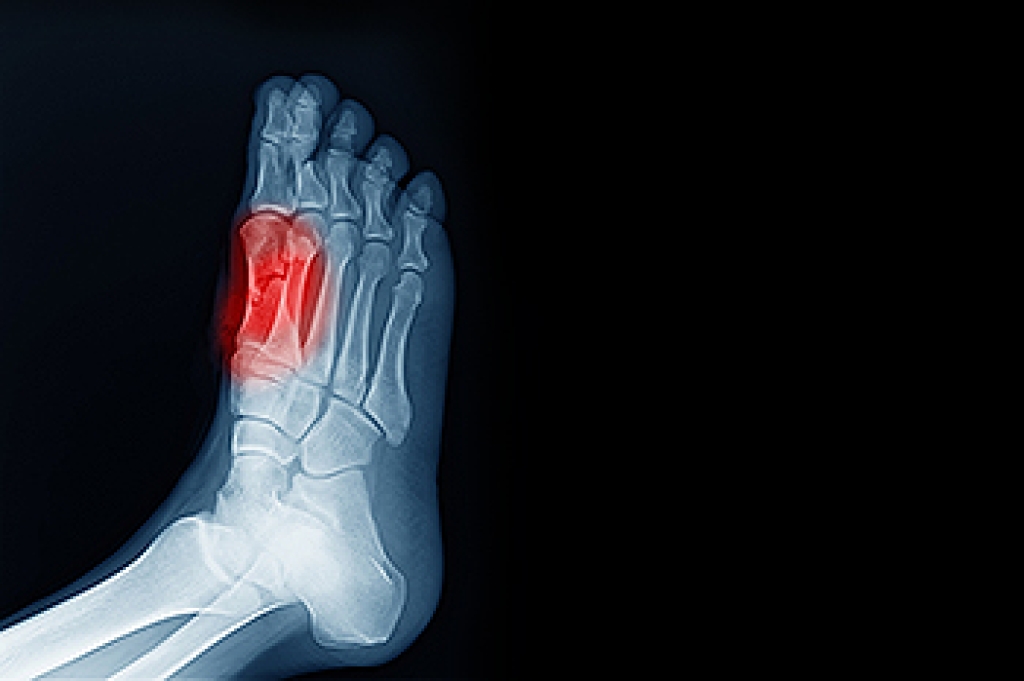
Big Toe Pain Caused by Sesamoiditis

Sesamoiditis is a painful condition involving two small bones located beneath the big toe joint. These sesamoid bones are embedded within a tendon that helps flex the big toe and absorb weight-bearing pressure. When repetitive stress or trauma affects this area, the surrounding tendon can become inflamed, causing pain beneath the ball of the foot. High-impact sports, foot injuries, poor foot mechanics, or shoes that lack adequate support can increase the risk of sesamoiditis. Symptoms include swelling, tenderness, and sharp pain when bearing weight or bending the big toe. This often builds gradually and may make walking or running difficult. A podiatrist can diagnose sesamoiditis by examining the foot, checking for tenderness, and ordering imaging tests to rule out fractures or other problems. In severe cases, surgery may be recommended to remove or repair the affected bone. If you have this type of pain in the big toe, it is suggested that you schedule an appointment with a podiatrist for an exam and appropriate treatment options.

Sesamoiditis is an unpleasant foot condition characterized by pain in the balls of the feet. If you think you’re struggling with sesamoiditis, contact Adriana Strimbu, DPM of Complete Foot & Ankle Care. Our doctor will treat your condition thoroughly and effectively.

Sesamoiditis

Sesamoiditis is a condition of the foot that affects the ball of the foot. It is more common in younger people than it is in older people. It can also occur with people who have begun a new exercise program, since their bodies are adjusting to the new physical regimen. Pain may also be caused by the inflammation of tendons surrounding the bones. It is important to seek treatment in its early stages because if you ignore the pain, this condition can lead to more serious problems such as severe irritation and bone fractures.

Causes of Sesamoiditis

  • Sudden increase in activity
  • Increase in physically strenuous movement without a proper warm up or build up
  • Foot structure: those who have smaller, bonier feet or those with a high arch may be more susceptible

Treatment for sesamoiditis is non-invasive and simple. Doctors may recommend a strict rest period where the patient forgoes most physical activity. This will help give the patient time to heal their feet through limited activity. For serious cases, it is best to speak with your doctor to determine a treatment option that will help your specific needs.

If you have any questions, please feel free to contact our office located in Hallandale Beach, FL . We offer the newest diagnostic and treatment technologies for all your foot care needs.


Read more about Sesamoiditis

Are You Suffering From Ingrown Toenails?

If left untreated, an ingrown toenail can lead to more serious concerns, such as an infection. Knowing proper nail care can help in the prevention of an ingrown toenail. Give us a call, and get treated!

Managing Foot Crush Injuries

Foot crush injuries are severe and often involve multiple fractures, soft tissue damage, and potential complications. These injuries typically occur when a heavy object falls on or rolls over the foot, often in traffic accidents or workplace incidents involving machinery. The midfoot, including the cuboid and cuneiform bones, may be fractured. There also can be damage to the heel pad or surrounding tissue. Symptoms include intense pain, swelling, bruising, and in some cases, numbness or loss of mobility. Because these injuries often affect the foot’s ability to bear weight, surgery may be needed to stabilize the bones, especially when the structural arch of the foot is damaged. Managing traumatic foot injuries requires a careful evaluation of bone alignment and tissue viability. A podiatrist can help by diagnosing the extent of injury, recommending surgery if needed, and guiding recovery to restore function and prevent complications. If you have experienced foot trauma, it is suggested that you make an immediate appointment with a podiatrist for a diagnosis and treatment options.

Foot and ankle trauma is common among athletes and the elderly. If you have concerns that you may have experienced trauma to the foot and ankle, consult with Adriana Strimbu, DPM from Complete Foot & Ankle Care. Our doctor will assess your condition and provide you with quality foot and ankle treatment.

Foot and ankle trauma cover a range of injuries all over the foot; common injuries include:

  • Broken bones
  • Muscle strains
  • Injuries to the tendons and ligaments
  • Stress fractures

Symptoms

Symptoms of foot and ankle injuries vary depending on the injury, but more common ones include:

  • Bruising
  • Inflammation/ Swelling
  • Pain

Diagnosis

To properly diagnose the exact type of injury, podiatrists will conduct a number of different tests. Some of these include sensation and visual tests, X-rays, and MRIs. Medical and family histories will also be taken into account.

Treatment

Once the injury has been diagnosed, the podiatrist can than offer the best treatment options for you. In less severe cases, rest and keeping pressure off the foot may be all that’s necessary. Orthotics, such as a specially made shoes, or immobilization devices, like splints or casts, may be deemed necessary. Finally, if the injury is severe enough, surgery may be necessary.

If you have any questions, please feel free to contact our office located in Hallandale Beach, FL . We offer the newest diagnostic and treatment technologies for all your foot care needs.

Read more about Foot and Ankle Fractures

Shoes Can Affect Your Foot Health

Shoes can have a significant effect on the health of your feet, especially when worn for extended periods of time on hard surfaces. Inadequate support may increase stress on the heel and forefoot, potentially contributing to conditions like plantar fasciitis, calluses, or metatarsalgia. Shoes lacking proper cushioning or arch support may fail to distribute pressure evenly. Restrictive styles, such as high heels, can alter foot posture and lead to bunions, claw toes, or thickened nails. Foot pain can also result from wearing poorly fitted or overly rigid footwear, which interferes with natural foot motion and joint alignment. People engaged in sports should select shoes specific to that activity and that provide adequate shock absorption and lateral stability. Alternating shoes regularly helps reduce repetitive stress and allows structural materials to recover. Shoe inserts, when prescribed by a podiatrist, may help improve foot posture and alleviate pain. If you experience foot pain after wearing certain shoes, it is suggested that you schedule an appointment with a podiatrist for a diagnosis and treatment, in addition to guidance on how to choose proper footwear.

Getting the right shoe size is an important part of proper foot health. Seek the assistance of Adriana Strimbu, DPM from Complete Foot & Ankle Care. Our doctor will provide the care you need to keep you pain-free and on your feet.

Getting the Right Shoe Size

There are many people who wear shoes that are the incorrect size, negatively affecting their feet and posture. Selecting the right shoes is not a difficult process, so long as you keep several things in mind when it comes to choosing the right pair.

  • When visiting the shoe store, use the tools available to measure your foot.
  • Be sure there is ‘wiggle room’. There should be about an inch between your toes and the tip of your shoes.
  • Do not always assume you are the same size, as manufacturers run differently.
  • Purchase shoes later in the day, as your feet swell as the day progresses.
  • If a shoe is not comfortable, it is not suitable. Most shoes can’t be ‘broken in’, and comfort should be the ultimate goal when it comes to choosing the right pair of shoes

As our feet hold our body weight and keep us moving, it is important to treat them right. Picking the right pair of shoes can provide your feet comfort and mobility without pain.

If you have any questions, please feel free to contact our office located in Hallandale Beach, FL . We offer the newest diagnostic and treatment technologies for all your foot care needs.
Read more about Getting the Right Shoe Size: To Keep Your Feet Happy

Causes and Symptoms of Toenail Fungus

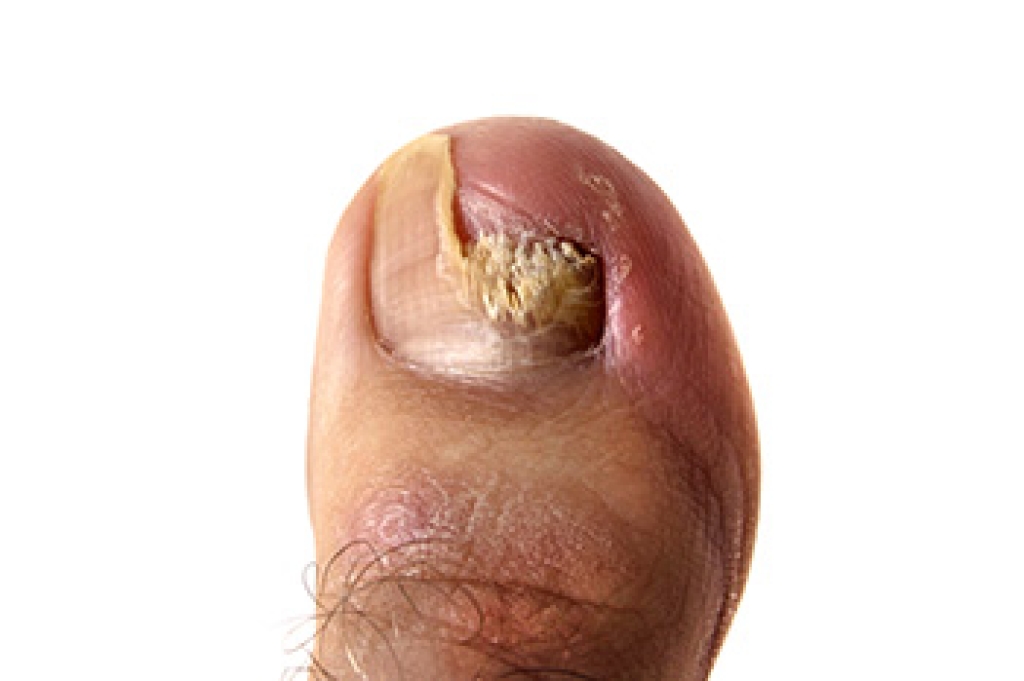
Toenail fungus, or onychomycosis, is an infection caused by fungi that thrive in warm, moist environments, such as sweaty shoes or near public pools. It often starts with a small white or yellow spot under the tip of the nail and can spread deeper, leading to thickened, discolored, and brittle nails. Symptoms include nail discoloration, including yellow, brown, or white, as well as nail thickening, crumbling edges, and sometimes a foul odor. The affected nails may become painful or difficult to trim over time. A podiatrist can diagnose toenail fungus by examining the nail and may take a sample for lab testing to confirm the infection. Treatment options range from topical antifungal creams and medicated nail lacquers to oral antifungal medications. Severe cases may require partial or complete nail removal. If you are dealing with this condition, it is suggested that you make an appointment with a podiatrist for evaluation and treatment.

If left untreated, toenail fungus may spread to other toenails, skin, or even fingernails. If you suspect you have toenail fungus it is important to seek treatment right away. For more information about treatment, contact Adriana Strimbu, DPM of Complete Foot & Ankle Care. Our doctor can provide the care you need to keep you pain-free and on your feet.

Symptoms

  • Warped or oddly shaped nails
  • Yellowish nails
  • Loose/separated nail
  • Buildup of bits and pieces of nail fragments under the nail
  • Brittle, broken, thickened nail

Treatment

If self-care strategies and over-the-counter medications does not help your fungus, your podiatrist may give you a prescription drug instead. Even if you find relief from your toenail fungus symptoms, you may experience a repeat infection in the future.

Prevention

In order to prevent getting toenail fungus in the future, you should always make sure to wash your feet with soap and water. After washing, it is important to dry your feet thoroughly especially in between the toes. When trimming your toenails, be sure to trim straight across instead of in a rounded shape. It is crucial not to cover up discolored nails with nail polish because that will prevent your nail from being able to “breathe”.

In some cases, surgical procedure may be needed to remove the toenail fungus. Consult with your podiatrist about the best treatment options for your case of toenail fungus.  

If you have any questions please contact our office located in Hallandale Beach, FL . We offer the newest diagnostic and treatment technologies for all your foot and ankle needs.

Read more about How to Treat Your Toenail Fungus

Schedule your foot and ankle podiatry appointment now!

Please feel free to call us at (954) 455-9404 with any questions you have or to schedule an appointment for your foot or ankle problems. You can also make an appointment online now by clicking here. We hope you'll find our foot doctor practice in Hallandale Beach, FL offers the accessibility and personal commitment you look for from a podiatric physician.

Our podiatry practice operates from a single location at 404 North Federal Highway, Hallandale Beach, FL 33009.

We proudly serve patients from Hallandale Beach and the surrounding areas, including Miami-Dade and Broward counties, with cities such as Hallandale Beach, Hollywood, Fort Lauderdale, Aventura, North Miami, Miami, Miami Beach, Miami Lakes, Sunny Isles BeachCoral Gables, Surfside, Bal Harbour, Plantation, Cooper City, Weston.

Connect With Us

scroll-to-top