How Your Feet Change With Age

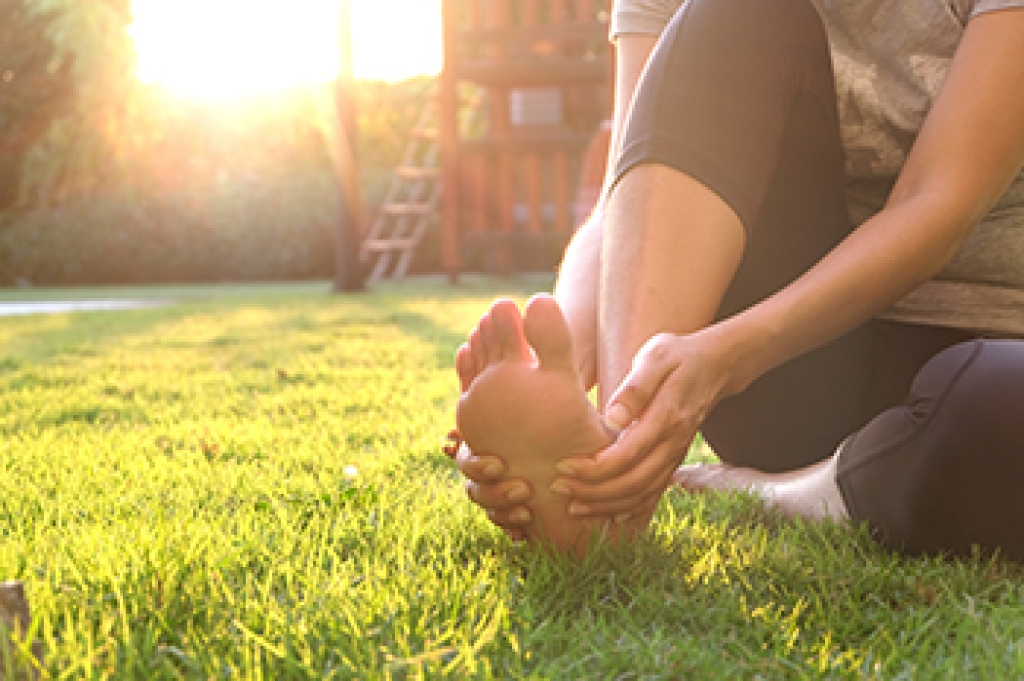
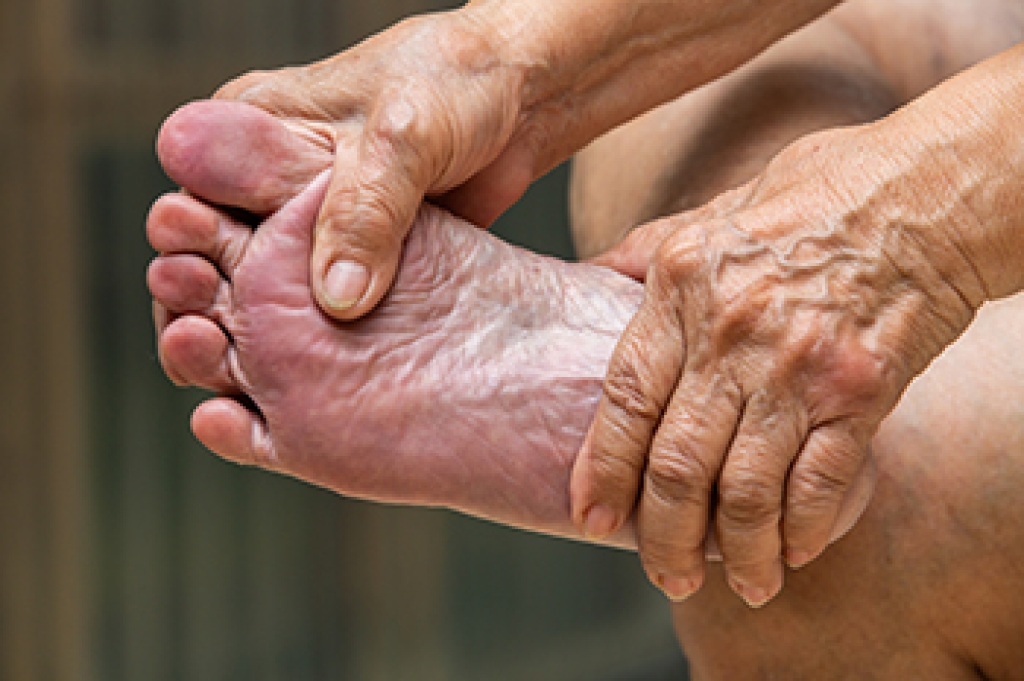
As the body ages, the feet often go through noticeable changes that can affect comfort and mobility. Toenails may become thicker, more brittle, or discolored, making them harder to trim and maintain. The skin on the feet may also become drier or thinner, due to changes in circulation, which can increase the risk of cracks or irritation. These changes may lead to discomfort during walking or standing. Risk factors include reduced blood flow, underlying health conditions, and long-term wear on the feet. Paying attention to daily foot care becomes more important. A podiatrist can monitor these changes, provide treatment, and recommend supportive care to keep feet healthy. If you notice changes in your feet with age, it is suggested that you are under the care of a podiatrist who can treat various foot and ankle conditions and address problems as they arise.

Proper foot care is something many older adults forget to consider. If you have any concerns about your feet and ankles, contact Adriana Strimbu, DPM from Complete Foot & Ankle Care. Our doctor can provide the care you need to keep you pain-free and on your feet.

The Elderly and Their Feet

As we age we start to notice many changes in our body, but the elder population may not notice them right away. Medical conditions may prevent the elderly to take notice of their foot health right away. Poor vision is a lead contributor to not taking action for the elderly.

Common Conditions 

  • Neuropathy – can reduce feeling in the feet and can hide many life-threatening medical conditions.
  • Reduced flexibility – prevents the ability of proper toenail trimming, and foot cleaning. If left untreated, it may lead to further medical issues.
  • Foot sores – amongst the older population can be serious before they are discovered. Some of the problematic conditions they may face are:
  • Gouging toenails affecting nearby toe
  • Shoes that don’t fit properly
  • Pressure sores
  • Loss of circulation in legs & feet
  • Edema & swelling of feet and ankles

Susceptible Infections

Diabetes and poor circulation can cause general loss of sensitivity over the years, turning a simple cut into a serious issue.

If you have any questions, please feel free to contact our office located in Hallandale Beach, FL . We offer the newest diagnostic and treatment technologies for all your foot care needs.

Read more about Elderly Foot Care

Sever’s Disease and Heel Pain in Children

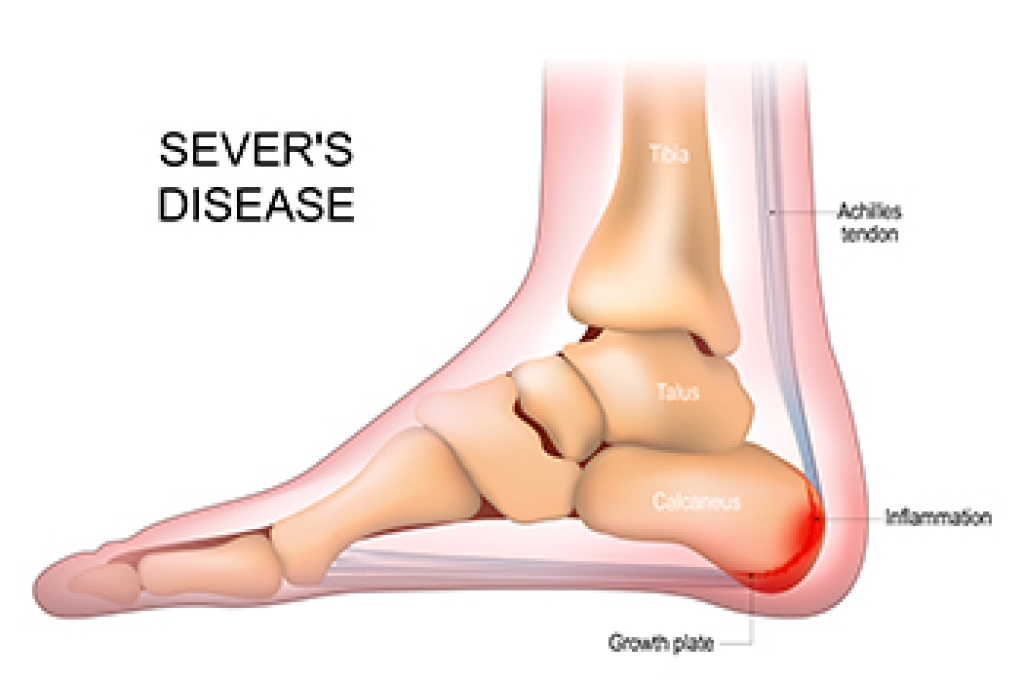
Sever’s disease is a common cause of heel pain in active growing children. It occurs when the growth plate in the heel becomes inflamed due to repetitive stress. This condition most often affects children and adolescents during growth spurts when the heel bone grows faster than surrounding muscles and tendons. Symptoms include heel pain during activity, tenderness, and limping after exercise. Causes include repetitive impact from running or jumping sports, and tight calf muscles. Risk factors include participation in high-impact activities, poor footwear, and rapid growth. A podiatrist can diagnose the condition, recommend stretching programs, provide heel support, and guide activity modification. If your active child has heel pain, it is suggested that you consult a podiatrist who can provide effective relief and management tips.

Sever's disease often occurs in children and teens. If your child is experiencing foot or ankle pain, see Adriana Strimbu, DPM from Complete Foot & Ankle Care. Our doctor can treat your child’s foot and ankle needs.

Sever’s Disease

Sever’s disease is also known as calcaneal apophysitis, which is a medical condition that causes heel pain I none or both feet. The disease is known to affect children between the ages of 8 and 14.

Sever’s disease occurs when part of the child’s heel known as the growth plate (calcaneal epiphysis) is attached to the Achilles tendon. This area can suffer injury when the muscles and tendons of the growing foot do not keep pace with bone growth. Therefore, the constant pain which one experiences at the back of the heel will make the child unable to put any weight on the heel. The child is then forced to walk on their toes.

Symptoms

Acute pain – Pain associated with Sever’s disease is usually felt in the heel when the child engages in physical activity such as walking, jumping and or running.

Highly active – Children who are very active are among the most susceptible in experiencing Sever’s disease, because of the stress and tension placed on their feet.

If you have any questions, please feel free to contact our office located in Hallandale Beach, FL . We offer the newest diagnostic and treatment technologies for all your foot care needs.
Read more about Sever's Disease

Schedule your foot and ankle podiatry appointment now!

Please feel free to call us at (954) 455-9404 with any questions you have or to schedule an appointment for your foot or ankle problems. You can also make an appointment online now by clicking here. We hope you'll find our foot doctor practice in Hallandale Beach, FL offers the accessibility and personal commitment you look for from a podiatric physician.

Our podiatry practice operates from a single location at 404 North Federal Highway, Hallandale Beach, FL 33009.

We proudly serve patients from Hallandale Beach and the surrounding areas, including Miami-Dade and Broward counties, with cities such as Hallandale Beach, Hollywood, Fort Lauderdale, Aventura, North Miami, Miami, Miami Beach, Miami Lakes, Sunny Isles BeachCoral Gables, Surfside, Bal Harbour, Plantation, Cooper City, Weston.

Connect With Us

scroll-to-top