
Symptoms and Treatment of a Sprained Foot

A sprained foot occurs when connective tissues, such as ligaments and cartilage in the foot's joints, are damaged or torn. Sprains often result from sudden twists or impacts. This can happen during activities, including stepping on uneven surfaces or engaging in vigorous sports like ballet or gymnastics. Symptoms of foot sprains include pain that becomes more severe from pressure, limited mobility, and visible signs like bruising and swelling. The severity of foot sprains ranges from mild to severe, necessitating an assessment from a podiatrist. This foot doctor conducts physical examinations and imaging tests to confirm the type and severity of the injury and assess its extent. Treatment typically involves rest and elevation to reduce inflammation. In severe cases, splinting or surgery may be necessary. If you believe you have sprained your foot, it is suggested that you schedule an immediate appointment with a podiatrist for an accurate diagnosis, tailored treatment plans, and comprehensive support. 

Foot and ankle trauma is common among athletes and the elderly. If you have concerns that you may have experienced trauma to the foot and ankle, consult with Adriana Strimbu, DPM from Complete Foot & Ankle Care. Our doctor will assess your condition and provide you with quality foot and ankle treatment.

Foot and ankle trauma cover a range of injuries all over the foot; common injuries include:

  • Broken bones
  • Muscle strains
  • Injuries to the tendons and ligaments
  • Stress fractures

Symptoms

Symptoms of foot and ankle injuries vary depending on the injury, but more common ones include:

  • Bruising
  • Inflammation/ Swelling
  • Pain

Diagnosis

To properly diagnose the exact type of injury, podiatrists will conduct a number of different tests. Some of these include sensation and visual tests, X-rays, and MRIs. Medical and family histories will also be taken into account.

Treatment

Once the injury has been diagnosed, the podiatrist can than offer the best treatment options for you. In less severe cases, rest and keeping pressure off the foot may be all that’s necessary. Orthotics, such as a specially made shoes, or immobilization devices, like splints or casts, may be deemed necessary. Finally, if the injury is severe enough, surgery may be necessary.

If you have any questions, please feel free to contact our office located in Hallandale Beach, FL . We offer the newest diagnostic and treatment technologies for all your foot care needs.

Read more about Foot and Ankle Trauma

Heel Pain Can Be Treated!

Do you suffer from heel pain when you get up in the morning? If so, you should seek professional help and have a proper diagnosis performed. Heel pain can be caused by several different foot-related conditions.

Symptoms and Causes of Peripheral Artery Disease

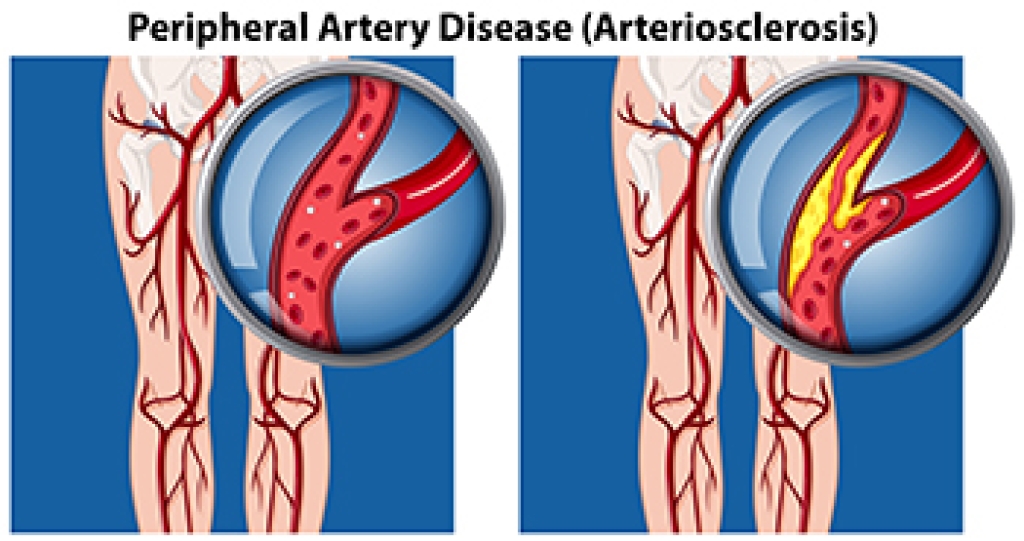
Peripheral artery disease, or PAD, is a common condition characterized by a buildup of fatty deposits in the arteries, resulting in restricted blood flow to the muscles in the lower legs and feet. A particular symptom of PAD is called intermittent claudication, which is a pain, cramp, or sense of fatigue in the leg muscles when you walk or exercise. Other symptoms are hair loss on the legs and feet, numbness or weakness, and slow-growing toenails. Leg ulcers, skin color changes, and shiny skin are other signs. PAD is primarily caused by atherosclerosis, where fatty deposits accumulate within arterial walls, narrowing the vessels. Contributing factors to peripheral artery disease include smoking, diabetes, high blood pressure, high cholesterol, and aging. Seeking help from a podiatrist is essential for an accurate diagnosis through physical examination and tests like the ankle brachial pressure index, or ABPI. Treatment involves lifestyle modifications, such as regular exercise, smoking cessation, and maintaining a healthy diet. In severe cases, surgical intervention may be needed to improve blood flow and alleviate symptoms. For help in determining whether you have peripheral artery disease that is affecting your foot health, it is suggested that you schedule an appointment with a podiatrist.

Peripheral artery disease can pose a serious risk to your health. It can increase the risk of stroke and heart attack. If you have symptoms of peripheral artery disease, consult with Adriana Strimbu, DPM from Complete Foot & Ankle Care. Our doctor will assess your condition and provide you with quality foot and ankle treatment.

Peripheral artery disease (PAD) is when arteries are constricted due to plaque (fatty deposits) build-up. This results in less blood flow to the legs and other extremities. The main cause of PAD is atherosclerosis, in which plaque builds up in the arteries.

Symptoms

Symptoms of PAD include:

  • Claudication (leg pain from walking)
  • Numbness in legs
  • Decrease in growth of leg hair and toenails
  • Paleness of the skin
  • Erectile dysfunction
  • Sores and wounds on legs and feet that won’t heal
  • Coldness in one leg

It is important to note that a majority of individuals never show any symptoms of PAD.

Diagnosis

While PAD occurs in the legs and arteries, Podiatrists can diagnose PAD. Podiatrists utilize a test called an ankle-brachial index (ABI). An ABI test compares blood pressure in your arm to you ankle to see if any abnormality occurs. Ultrasound and imaging devices may also be used.

Treatment

Fortunately, lifestyle changes such as maintaining a healthy diet, exercising, managing cholesterol and blood sugar levels, and quitting smoking, can all treat PAD. Medications that prevent clots from occurring can be prescribed. Finally, in some cases, surgery may be recommended.

If you have any questions, please feel free to contact our office located in Hallandale Beach, FL . We offer the newest diagnostic and treatment technologies for all your foot care needs.

Read more about Peripheral Artery Disease

Causes and Treatment of Foot Drop

Foot drop is a condition characterized by the inability to lift or move the foot and toes. It is characterized by the failure to clear the ground when you take a step, forcing the need to have a marching gait when walking. Foot drop typically results from nerve injury, such as sports injuries, keeping the legs in one position for a long time, or peripheral neuropathy. Certain surgeries, including hip or knee replacements, also may increase the risk of foot drop. Treatment approaches vary, depending on the underlying cause and the duration of the condition. Exercises to strengthen and stretch the muscles of the leg and foot can help to improve mobility. Additionally, braces, splints, or custom orthotic shoe inserts can provide support and maintain proper foot alignment. In some cases, electrical nerve stimulation devices may be employed to aid nerve function. Surgical interventions, such as joint fusion or nerve repair, may be considered for those with permanent impairment. For help with managing foot drop, it is suggested that you schedule an appointment with a podiatrist for a full examination and an accurate diagnosis to determine what the proper treatment is for you. 

If you have any concerns about your feet, contact Adriana Strimbu, DPM from Complete Foot & Ankle Care. Our doctor can provide the care you need to keep you pain-free and on your feet.

Biomechanics in Podiatry

Podiatric biomechanics is a particular sector of specialty podiatry with licensed practitioners who are trained to diagnose and treat conditions affecting the foot, ankle and lower leg. Biomechanics deals with the forces that act against the body, causing an interference with the biological structures. It focuses on the movement of the ankle, the foot and the forces that interact with them.

A History of Biomechanics

  • Biomechanics dates back to the BC era in Egypt where evidence of professional foot care has been recorded.
  • In 1974, biomechanics gained a higher profile from the studies of Merton Root, who claimed that by changing or controlling the forces between the ankle and the foot, corrections or conditions could be implemented to gain strength and coordination in the area.

Modern technological improvements are based on past theories and therapeutic processes that provide a better understanding of podiatric concepts for biomechanics. Computers can provide accurate information about the forces and patterns of the feet and lower legs.

Understanding biomechanics of the feet can help improve and eliminate pain, stopping further stress to the foot.

If you have any questions please feel free to contact our office located in Hallandale Beach, FL . We offer the newest diagnostic and treatment technologies for all your foot and ankle needs.

Read more about The Importance of Biomechanics in Podiatry

Types of Diabetic Foot Ulcers

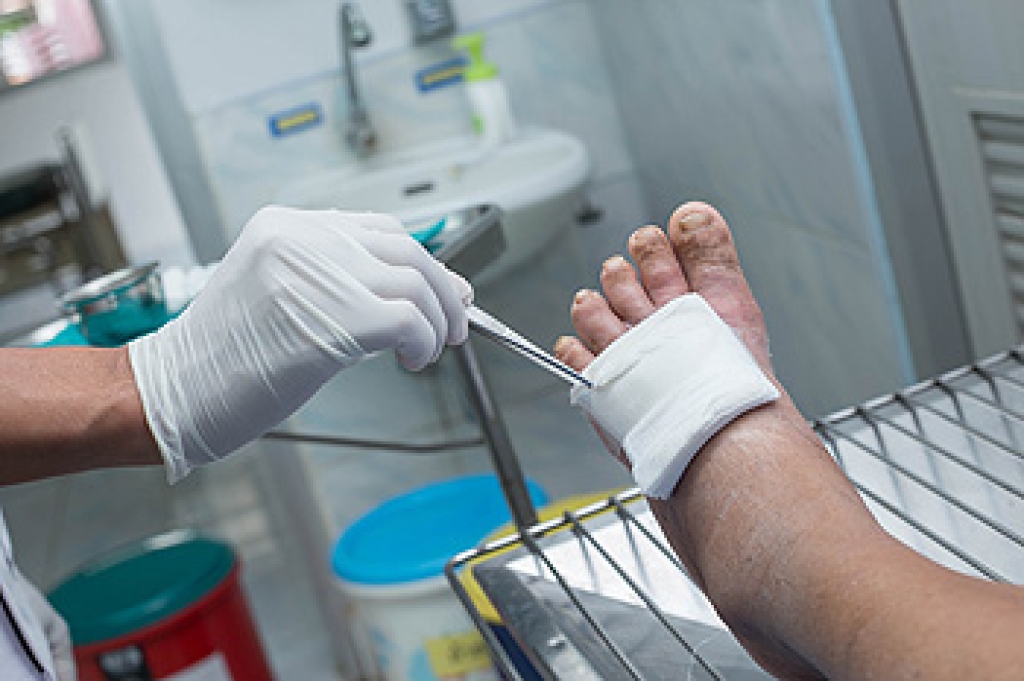
Diabetes can lead to a variety of foot ulcers, which are wounds and sores that will not heal in a normal time frame. Ischemic ulcers are typically found on the toes and lateral foot areas. They are a result of underlying blood flow problems. Neuroischemic ulcers arise from a combination of diabetic neuropathy and peripheral artery disease, and tend to form at the metatarsal heads. These ulcers present a complex challenge because both damaged nerves and blood vessels are involved. Neuropathic ulcers, a common complication of diabetes, usually begin as callous formations on the bottom of the foot before progressing to ulceration. Patients with severe peripheral neuropathy may exhibit altered gait, skin changes, and reduced sensation, all of which increase the risk of ulcer development. The importance of regular foot exams and proactive foot care in individuals with diabetes cannot be overstated. If you or someone you know is living with diabetes, it is suggested that you schedule an appointment with a podiatrist at the first sign of ulcers on the feet.

Diabetic foot care is important in preventing foot ailments such as ulcers. If you are suffering from diabetes or have any other concerns about your feet, contact Adriana Strimbu, DPM from Complete Foot & Ankle Care. Our doctor can provide the care you need to keep you pain-free and on your feet.

Diabetic Foot Care

Diabetes affects millions of people every year. The condition can damage blood vessels in many parts of the body, especially the feet. Because of this, taking care of your feet is essential if you have diabetes, and having a podiatrist help monitor your foot health is highly recommended.

The Importance of Caring for Your Feet

  • Routinely inspect your feet for bruises or sores.
  • Wear socks that fit your feet comfortably.
  • Wear comfortable shoes that provide adequate support.

Patients with diabetes should have their doctor monitor their blood levels, as blood sugar levels play such a huge role in diabetic care. Monitoring these levels on a regular basis is highly advised.

It is always best to inform your healthcare professional of any concerns you may have regarding your feet, especially for diabetic patients. Early treatment and routine foot examinations are keys to maintaining proper health, especially because severe complications can arise if proper treatment is not applied.

If you have any questions, please feel free to contact our office located in Hallandale Beach, FL . We offer the newest diagnostic and treatment technologies for all your foot care needs.
Read more about Diabetic Foot Conditions

Schedule your foot and ankle podiatry appointment now!

Please feel free to call us at (954) 455-9404 with any questions you have or to schedule an appointment for your foot or ankle problems. You can also make an appointment online now by clicking here. We hope you'll find our foot doctor practice in Hallandale Beach, FL offers the accessibility and personal commitment you look for from a podiatric physician.

Our podiatry practice operates from a single location at 404 North Federal Highway, Hallandale Beach, FL 33009.

We proudly serve patients from Hallandale Beach and the surrounding areas, including Miami-Dade and Broward counties, with cities such as Hallandale Beach, Hollywood, Fort Lauderdale, Aventura, North Miami, Miami, Miami Beach, Miami Lakes, Sunny Isles BeachCoral Gables, Surfside, Bal Harbour, Plantation, Cooper City, Weston.

Connect With Us

scroll-to-top