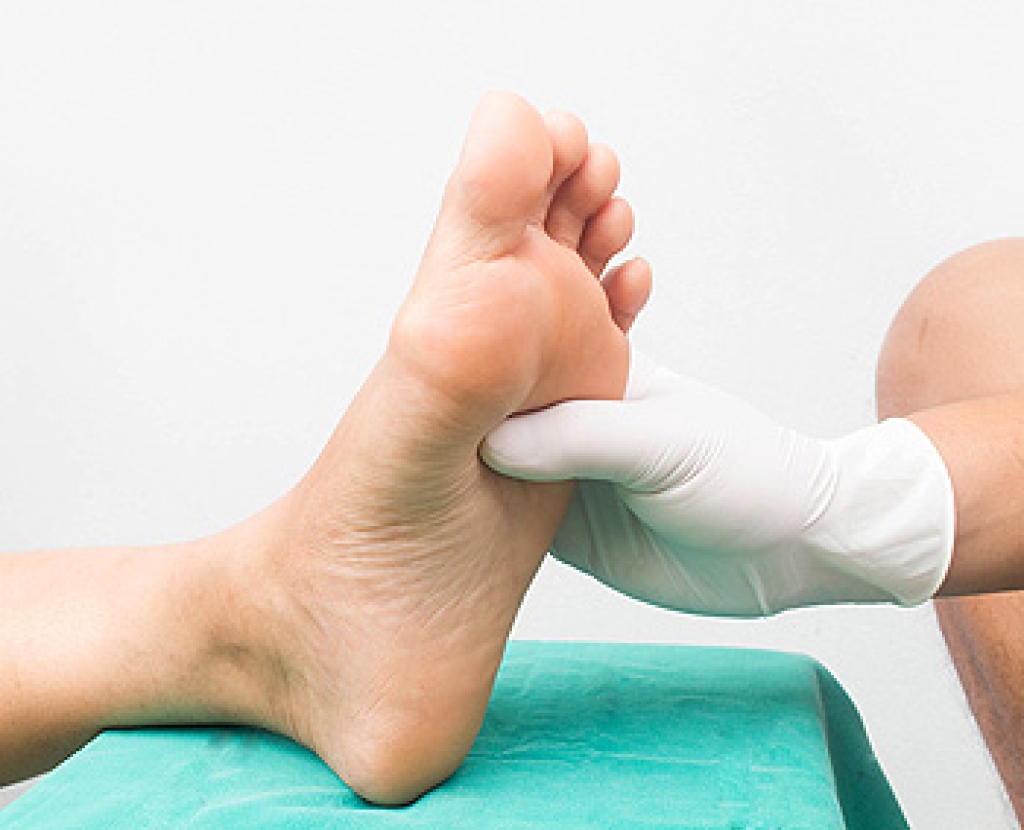
Essential Foot Care Tips for Diabetic Patients

Foot care is critical for individuals with diabetes, as high blood sugar levels can lead to nerve damage and poor circulation, increasing the risk of foot problems. Regular inspection of the feet is important to detect any cuts, blisters, or infections early. It is recommended to wash the feet daily with warm water and mild soap, ensuring they are thoroughly dried, especially between the toes. Moisturizing the feet can prevent dry skin, but individuals should avoid applying lotion between the toes to prevent fungal infections. Wearing proper footwear is essential to protect the feet from injury. Shoes should be well-fitted and cushioned to avoid pressure points. It is also important to trim toenails carefully to avoid ingrown nails. If you have diabetes, it is strongly suggested that you are under the care of a podiatrist who can help manage foot health and prevent complications associated with diabetes.

Diabetic foot care is important in preventing foot ailments such as ulcers. If you are suffering from diabetes or have any other concerns about your feet, contact Adriana Strimbu, DPM from Complete Foot & Ankle Care. Our doctor can provide the care you need to keep you pain-free and on your feet.

Diabetic Foot Care

Diabetes affects millions of people every year. The condition can damage blood vessels in many parts of the body, especially the feet. Because of this, taking care of your feet is essential if you have diabetes, and having a podiatrist help monitor your foot health is highly recommended.

The Importance of Caring for Your Feet

  • Routinely inspect your feet for bruises or sores.
  • Wear socks that fit your feet comfortably.
  • Wear comfortable shoes that provide adequate support.

Patients with diabetes should have their doctor monitor their blood levels, as blood sugar levels play such a huge role in diabetic care. Monitoring these levels on a regular basis is highly advised.

It is always best to inform your healthcare professional of any concerns you may have regarding your feet, especially for diabetic patients. Early treatment and routine foot examinations are keys to maintaining proper health, especially because severe complications can arise if proper treatment is not applied.

If you have any questions, please feel free to contact our office located in Hallandale Beach, FL . We offer the newest diagnostic and treatment technologies for all your foot care needs.
Read more about Diabetic Foot Care

What Is a Partial Plantar Plate Tear?

A partial plantar plate tear is a common injury among runners, caused by repetitive stress and strain on the ligament beneath the ball of the foot. This thick structure helps stabilize the toes, but the high-impact nature of running, especially on hard surfaces or with improper form, can lead to overuse and small tears. Wearing worn-out or unsupportive running shoes can also increase the risk. Runners often notice pain under the ball of the foot, swelling, and a feeling of instability in the second or third toe. The discomfort may worsen with continued activity, making it difficult to maintain training routines. Early diagnosis is essential to prevent worsening. A podiatrist can confirm the injury through a physical exam, imaging, or ultrasound. Treatment ranges from rest, wearing supportive footwear, and orthotics to immobilization, or, in severe cases, surgery. If you have symptoms as described, it is suggested that you see a podiatrist for a proper diagnosis and treatment.

All runners should take extra precaution when trying to avoid injury. If you have any concerns about your feet, contact Adriana Strimbu, DPM of Complete Foot & Ankle Care. Our doctor will treat your foot and ankle needs.

How to Prevent Running Injuries

There are a lot of mistakes a runner can make prior to a workout that can induce injury. A lot of athletes tend to overstretch before running, instead of saving those workouts for a post-run routine. Deep lunges and hand-to-toe hamstring pulls should be performed after a workout instead of during a warmup. Another common mistake is jumping into an intense routine before your body is physically prepared for it. You should try to ease your way into long-distance running instead of forcing yourself to rush into it.

More Tips for Preventing Injury

  • Incorporate Strength Training into Workouts - This will help improve the body’s overall athleticism
  • Improve and Maintain Your Flexibility – Stretching everyday will help improve overall performance
  • “Warm Up” Before Running and “Cool Down” Afterward – A warm up of 5-10 minutes helps get rid of lactic acid in the muscles and prevents delayed muscle soreness
  • Cross-Training is Crucial
  • Wear Proper Running Shoes
  • Have a Formal Gait Analysis – Poor biomechanics can easily cause injury

If you have any questions, please feel free to contact our office located in Hallandale Beach, FL . We offer the newest diagnostic and treatment technologies for all your foot care needs.
Read more about How to Prevent Running Injuries

Heel Pain in the Morning?

Heel pain can negatively affect your day-to-day life. Simple activities like walking can become incredibly uncomfortable or painful due to heel pain.

Don’t live with heel pain and get treated.

Understanding Achilles Tendonitis

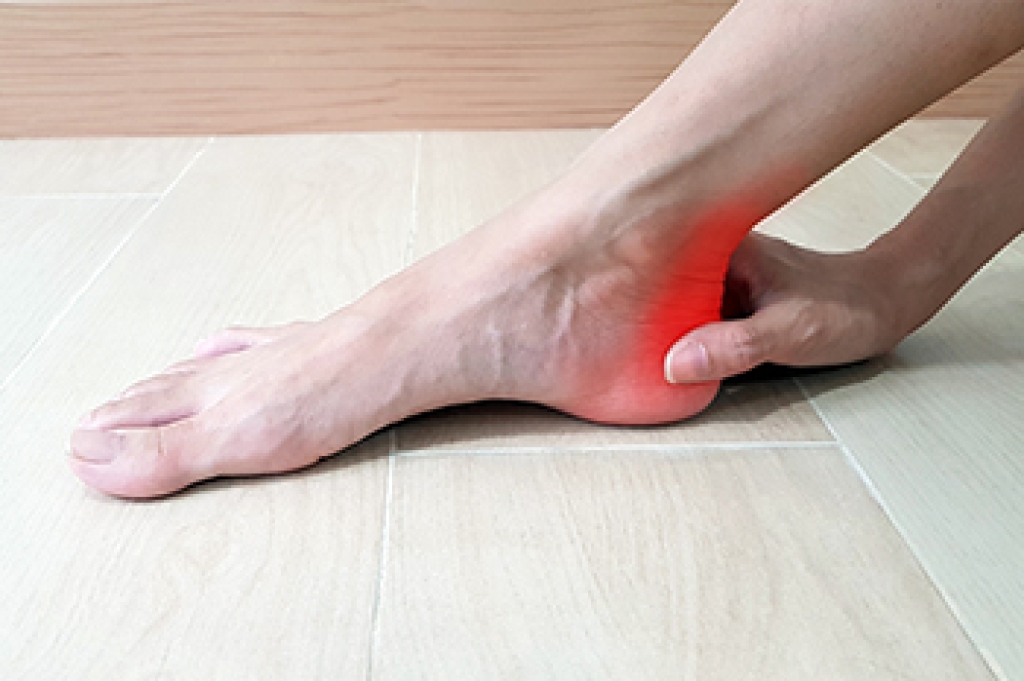
Achilles tendonitis is an injury that affects the Achilles tendon, the large tendon located at the back of the ankle, connecting the calf muscles to the heel bone. This condition occurs when the tendon becomes irritated or inflamed due to overuse or excessive strain. Common symptoms of Achilles tendonitis include pain and swelling along the back of the heel, which may worsen with physical activity, especially running or jumping. Individuals may also experience stiffness and discomfort in the morning. The main causes of Achilles tendonitis are repetitive stress on the tendon, sudden increases in physical activity, or wearing improper footwear. Athletes, particularly runners, are at higher risk, as well as individuals who have tight calf muscles or abnormal foot mechanics. If you have incurred an Achilles tendon injury, it is suggested that you consult a podiatrist who can accurately diagnose and treat this condition.

Achilles tendon injuries need immediate attention to avoid future complications. If you have any concerns, contact Adriana Strimbu, DPM of Complete Foot & Ankle Care. Our doctor can provide the care you need to keep you pain-free and on your feet.

What Is the Achilles Tendon?

The Achilles tendon is a tendon that connects the lower leg muscles and calf to the heel of the foot. It is the strongest tendon in the human body and is essential for making movement possible. Because this tendon is such an integral part of the body, any injuries to it can create immense difficulties and should immediately be presented to a doctor.

What Are the Symptoms of an Achilles Tendon Injury?

There are various types of injuries that can affect the Achilles tendon. The two most common injuries are Achilles tendinitis and ruptures of the tendon.

Achilles Tendinitis Symptoms

  • Inflammation
  • Dull to severe pain
  • Increased blood flow to the tendon
  • Thickening of the tendon

Rupture Symptoms

  • Extreme pain and swelling in the foot
  • Total immobility

Treatment and Prevention

Achilles tendon injuries are diagnosed by a thorough physical evaluation, which can include an MRI. Treatment involves rest, physical therapy, and in some cases, surgery. However, various preventative measures can be taken to avoid these injuries, such as:

  • Thorough stretching of the tendon before and after exercise
  • Strengthening exercises like calf raises, squats, leg curls, leg extensions, leg raises, lunges, and leg presses

If you have any questions please feel free to contact our office located in Hallandale Beach, FL . We offer the newest diagnostic tools and technology to treat your foot and ankle needs.

Read more about The Causes, Types, and Treatments of Achilles Tendon Injuries

Athlete's Foot and and Why It Reoccurs

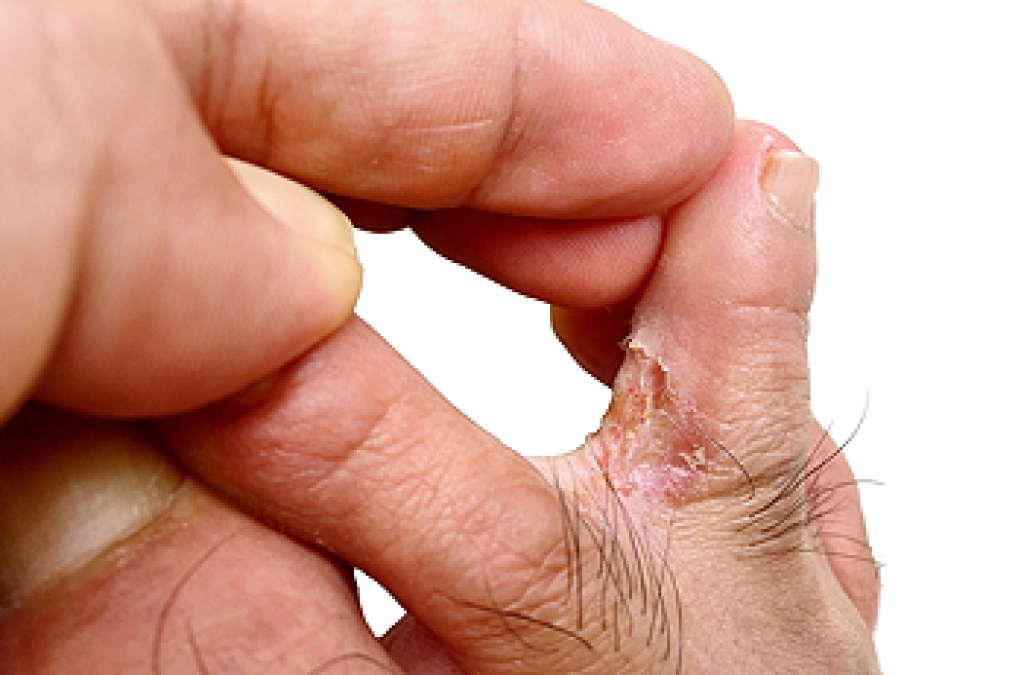
Athlete’s foot is a common fungal infection that affects the skin on the feet, particularly between the toes. It is caused by fungi known as dermatophytes, which thrive in warm, moist environments like sweaty socks and shoes. The symptoms of athlete's foot include itching, redness, peeling, and sometimes blistering or cracking of the skin. There are different types of athlete’s foot, including interdigital, which affects the spaces between the toes, and moccasin-type, which leads to dry, scaly skin on the soles and sides of the feet. The infection can reoccur because the fungi are resilient and can survive on contaminated surfaces like floors, towels, and shoes. Poor foot hygiene, wearing tight shoes, and exposure to communal areas like gym floors can contribute to repeated infections. Athlete’s foot can be uncomfortable. If you have developed this condition, it is suggested that you promptly schedule an appointment with a podiatrist who can offer prescribed medication for relief.

Athlete’s Foot

Athlete’s foot is often an uncomfortable condition to experience. Thankfully, podiatrists specialize in treating athlete’s foot and offer the best treatment options. If you have any questions about athlete’s foot, consult with Adriana Strimbu, DPM from Complete Foot & Ankle Care. Our doctor will assess your condition and provide you with quality treatment.

What Is Athlete’s Foot?

Tinea pedis, more commonly known as athlete’s foot, is a non-serious and common fungal infection of the foot. Athlete’s foot is contagious and can be contracted by touching someone who has it or infected surfaces. The most common places contaminated by it are public showers, locker rooms, and swimming pools. Once contracted, it grows on feet that are left inside moist, dark, and warm shoes and socks.

Prevention

The most effective ways to prevent athlete’s foot include:

  • Thoroughly washing and drying feet
  • Avoid going barefoot in locker rooms and public showers
  • Using shower shoes in public showers
  • Wearing socks that allow the feet to breathe
  • Changing socks and shoes frequently if you sweat a lot

Symptoms

Athlete’s foot initially occurs as a rash between the toes. However, if left undiagnosed, it can spread to the sides and bottom of the feet, toenails, and if touched by hand, the hands themselves. Symptoms include:

  • Redness
  • Burning
  • Itching
  • Scaly and peeling skin

Diagnosis and Treatment

Diagnosis is quick and easy. Skin samples will be taken and either viewed under a microscope or sent to a lab for testing. Sometimes, a podiatrist can diagnose it based on simply looking at it. Once confirmed, treatment options include oral and topical antifungal medications.

If you have any questions, please feel free to contact our office located in Hallandale Beach, FL . We offer the newest diagnostic and treatment technologies for all your foot care needs.
Read more about How to Deal with Athlete's Foot

Schedule your foot and ankle podiatry appointment now!

Please feel free to call us at (954) 455-9404 with any questions you have or to schedule an appointment for your foot or ankle problems. You can also make an appointment online now by clicking here. We hope you'll find our foot doctor practice in Hallandale Beach, FL offers the accessibility and personal commitment you look for from a podiatric physician.

Our podiatry practice operates from a single location at 404 North Federal Highway, Hallandale Beach, FL 33009.

We proudly serve patients from Hallandale Beach and the surrounding areas, including Miami-Dade and Broward counties, with cities such as Hallandale Beach, Hollywood, Fort Lauderdale, Aventura, North Miami, Miami, Miami Beach, Miami Lakes, Sunny Isles BeachCoral Gables, Surfside, Bal Harbour, Plantation, Cooper City, Weston.

Connect With Us

scroll-to-top